Kanchenjunga Trek
- 30 Days
Adult
Description
Duration
30 Days
Group Size
1-14+

Kanchenjunga Trek Overview
Explore the Third Highest Peak Worldwide!
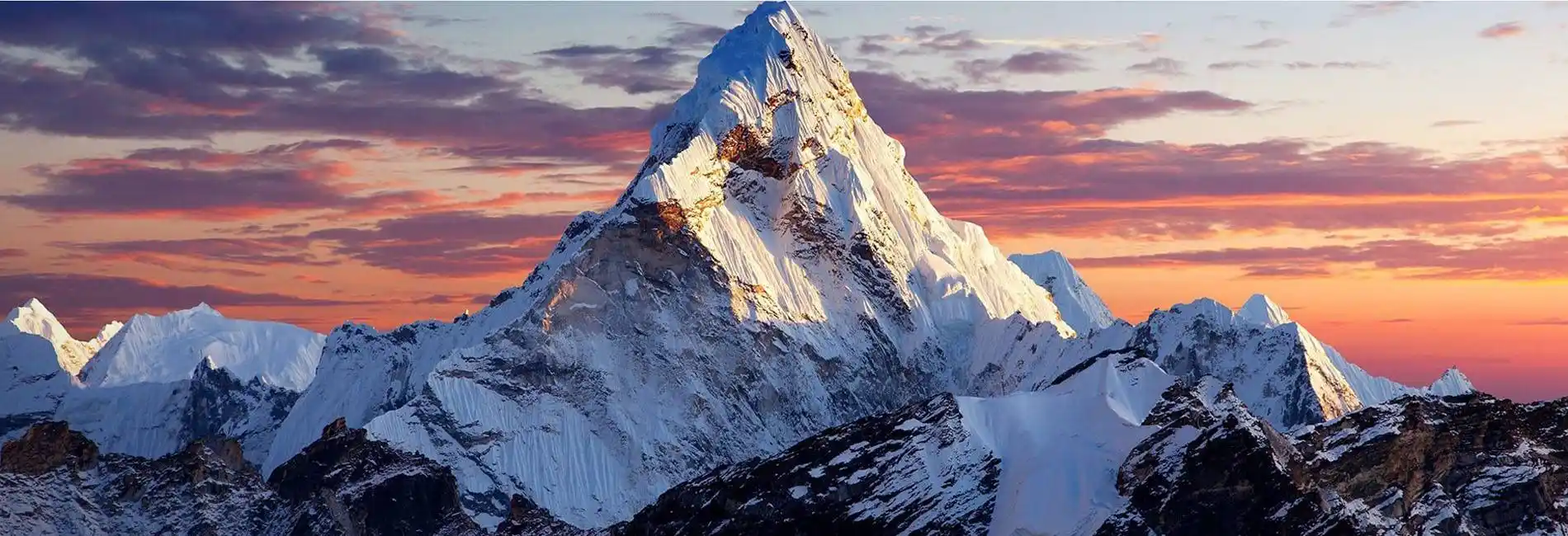
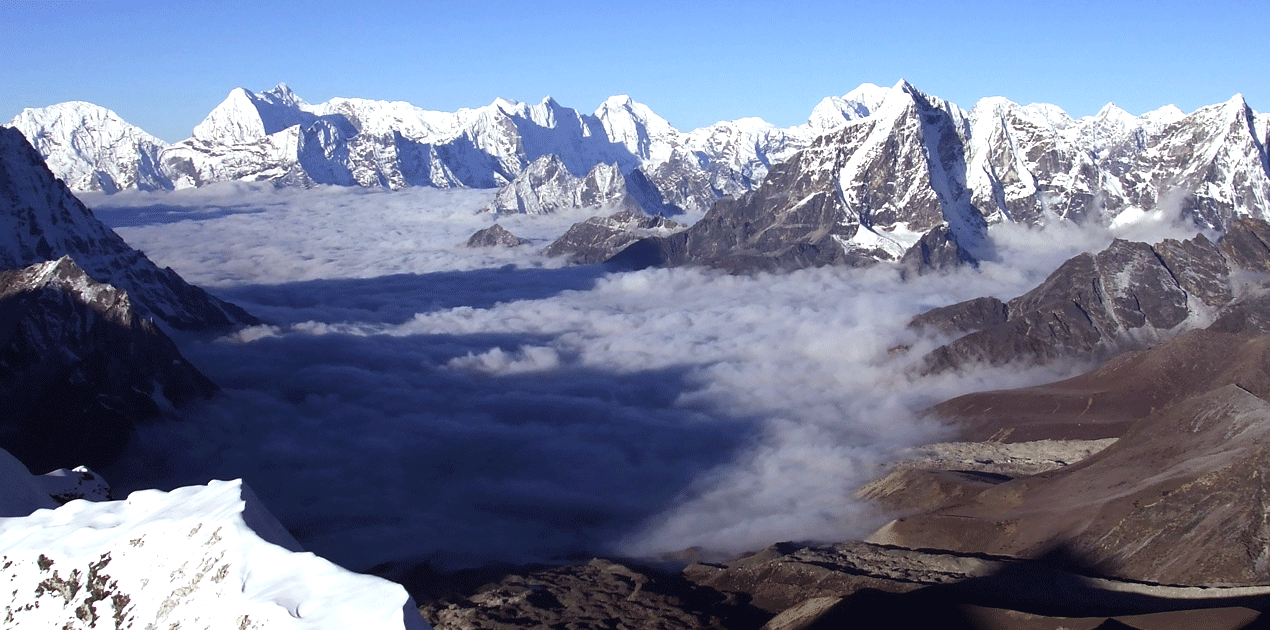
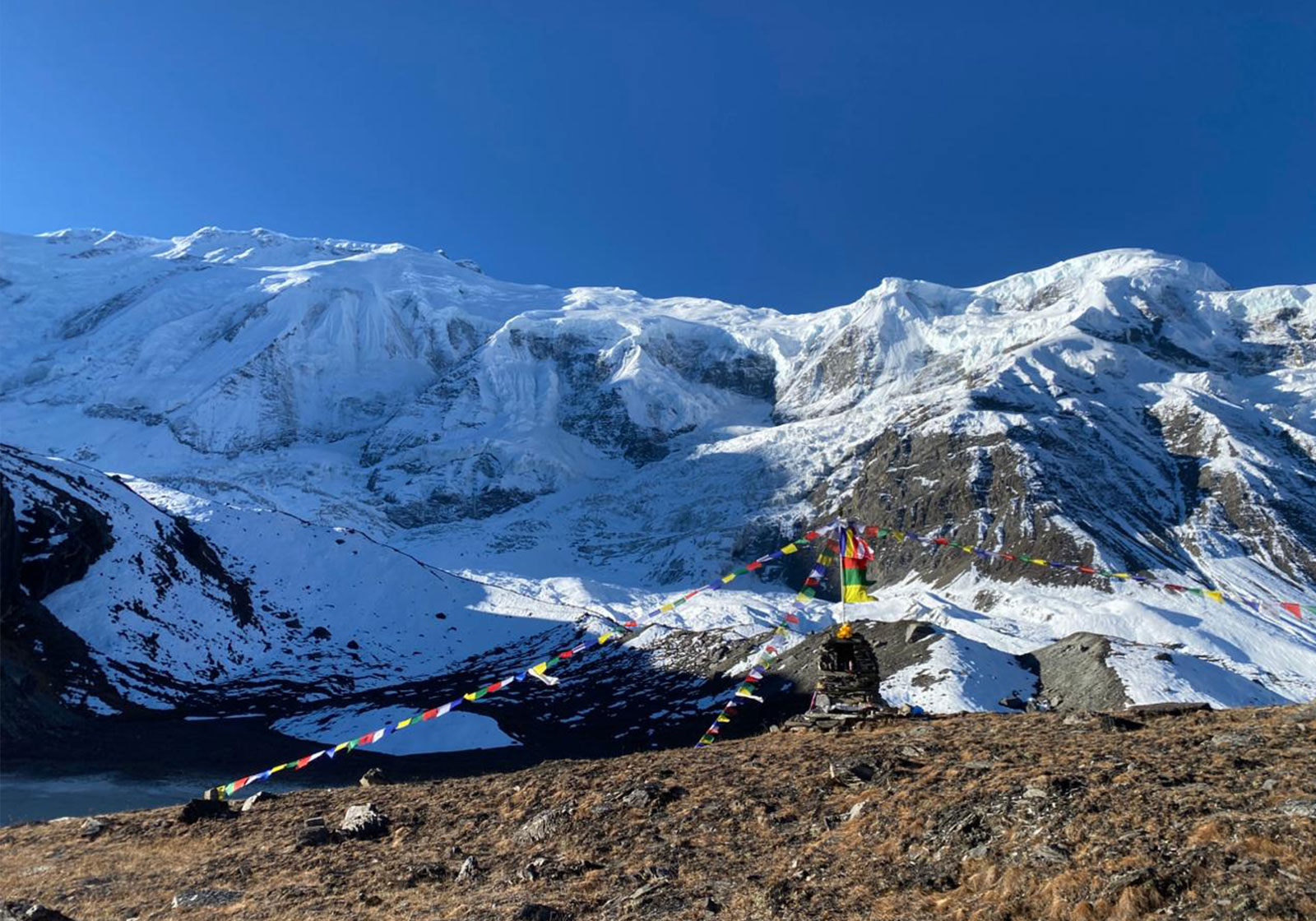
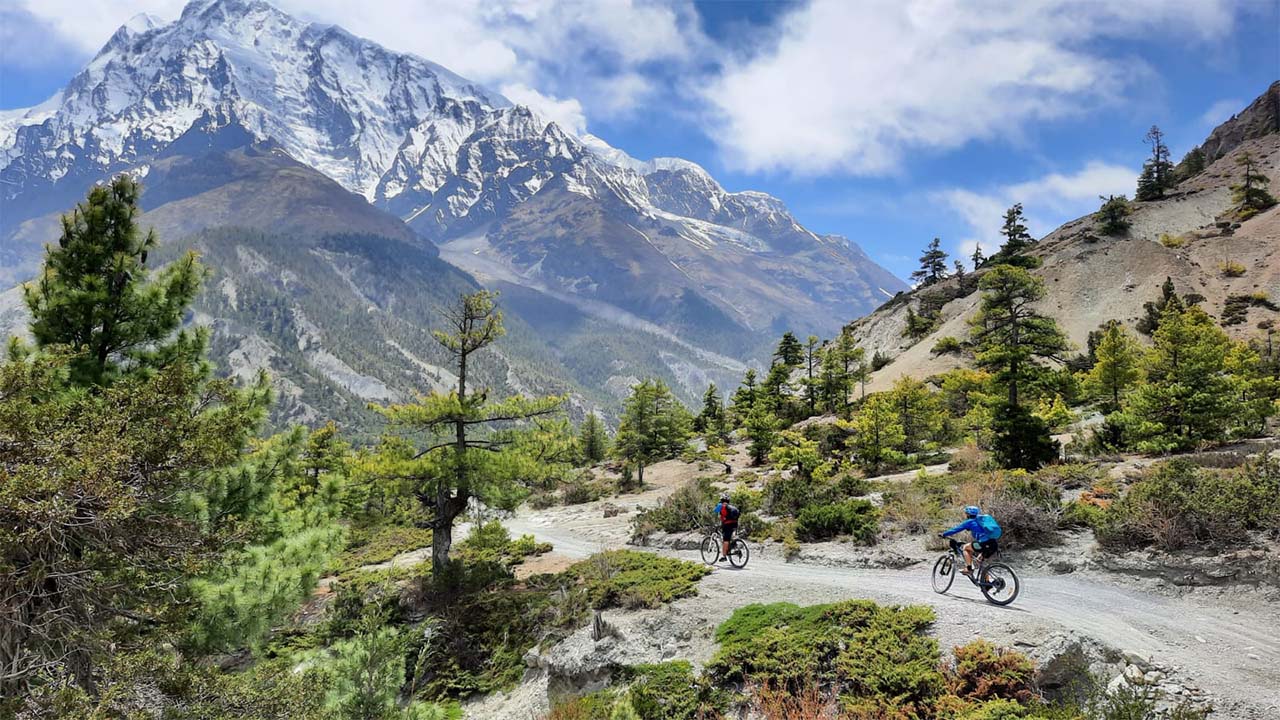
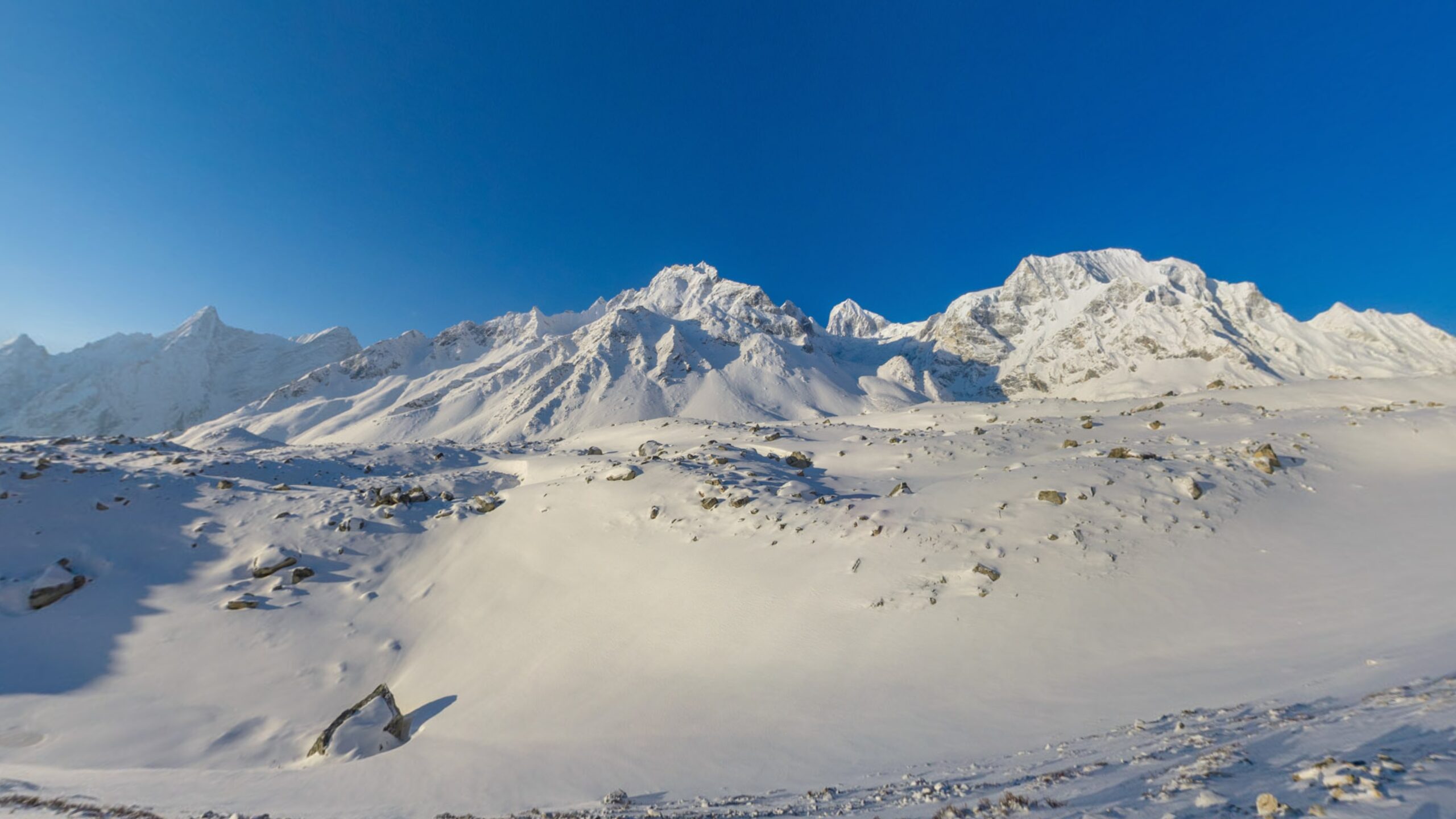
With an experience being very close to the third highest peak worldwide, Kanchenjunga Base Camp Trek offers a unique challenge and fulfillment. It is less jam-packed trekking in the outlying East of Nepal bordering Sikkim, India. The scenery during the Kanchenjunga expedition is merely breathtaking with incredible glaciers, a view of glittering mountains, ancient monasteries, riveting people, and their traditions as well as culture.
Situated in remote Eastern Nepal, the Kanchenjunga trekking is one of Nepal's most extravagant and attractive camping treks. It is remoted, sparsely inhabited, and the tea house there is currently under refinement. Although the services offered are fundamental, the hospitality of local people is undeniably phenomenal. Only experienced trekkers have toured Kanchenjunga Trek in Nepal, and this is due to its somewhat difficulty and separation. Enabled Kanchenjunga Base Camp Trekking to preserve its prestigious charm, beauty, and mystery. About the Tour
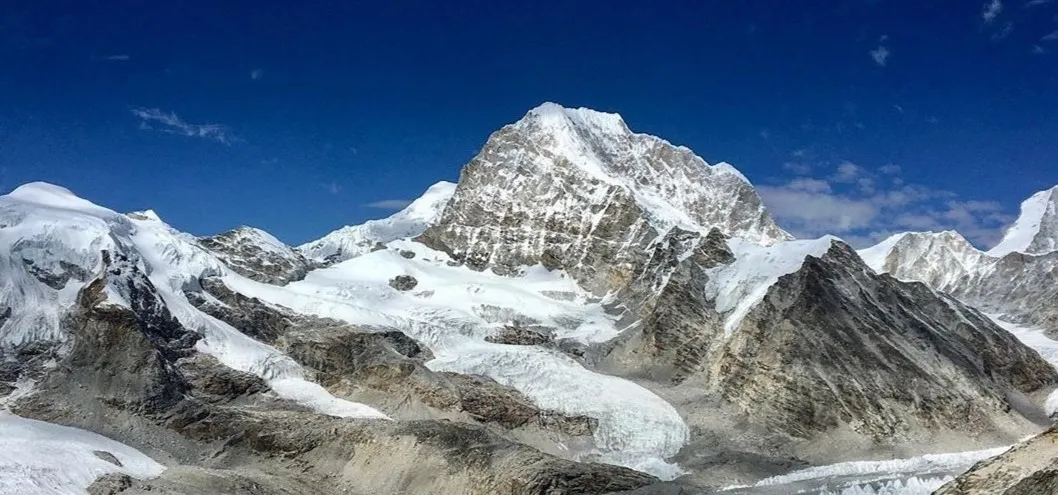
Kanchenjunga Tour (8,586m) is between three countries- The north-eastern part of Nepal, adjoin by Sikkim in the east. And Tibet, China in the north. It ranks third highest peak worldwide and the second highest mountain in Nepal. Mount Kanchenjunga expedition was established first by the British climber's Joe Brown and George Band on May 25th, 1955. Kanchenjunga trek begins after a 45-minute scenic domestic flight from Kathmandu to Sukethar's final landing.
Kanchenjunga trekking commences from Sukethar village and goes to Lali-Kharaka via dense rhododendron forests. You will experience the Nepalese cultural diversity and lifestyle of Rai and Limbus to a Buddhist town from Tibet. The magnificent mountain spectacles and isolated yet remarkable footpath courses are incredibly covering. Fortunately, the Kanchenjunga North Base trail route was undamaged by the earthquake of 2015. Reason to book this package
Kanchenjunga conservation is a shelter to diverse wildlife and several endangered bird species, including Red-billed blue magpie, Impheyan pheasant, and Shy drogue. It nautical other rare animals like the Red Panda, Snow Leopard, Himalayan Bear, Serow Assumes Macaque, etc. You can view fascinating mountains during the trips, which cover Wedge Peak (6,750m), Nepal Peak (6,910m), Mera (6,344m), the Twins (7,351m), Koktang (6,147m), Jannu (7,710m ), Kabrus (over 7,000m), Rathong (6,679m), and the five over 8,000m peaks. Have a look at Alpine and Arduous terrain by trailing through a few of the country's pristine forests. Once you pass the Mirgin-La Pass (4,725m), you get a view of Chamlang, Makalu, and Everest.
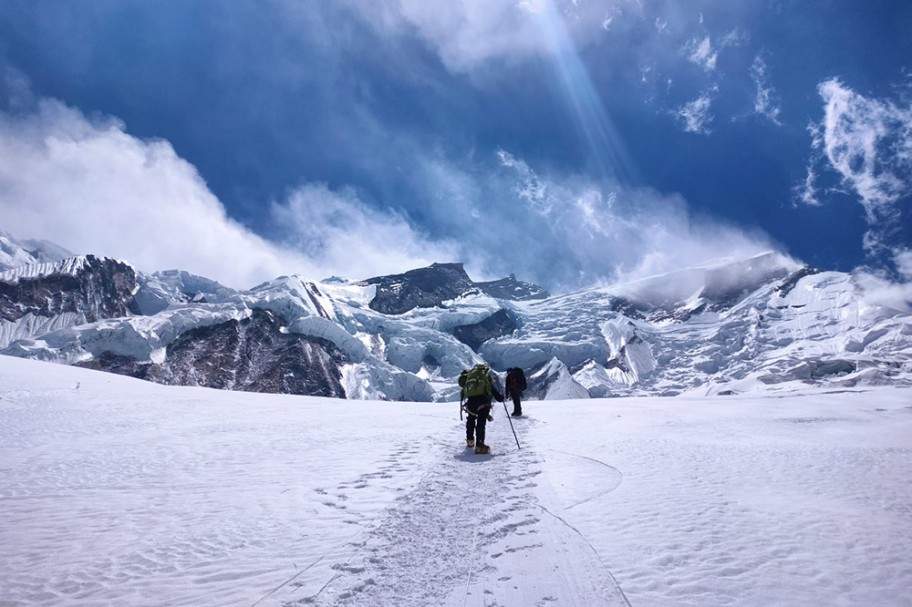
Kanchenjunga Trekking is a challenging trek since fanatic trekkers must have enough fitness levels and high will power. In contrast, Partakers should have the capacity to walk a minimum of 6 hours a day in the secluded mountain landscape. It is necessary to have a special trekking permit to partake in the Kanchenjunga expedition – a rule enforced by Nepal's Government. Kanchenjunga Base Camp Trek Cost
The government charges $10 per individual valid for a whole week and $25 for the conservation area fee. A government registered guide or official is a must-have, and the minimum number of trekkers should be two. You cannot go on a tour alone, and you also have to travel via a government registered travel agency.
The cost depends on the trip's duration, accommodation, and transportation you plan to use during the trip. Kanchenjunga Base Camp trek (north) cost ranges from $1,000 to $5,000.
Included
- To ensure your safety and provide a smooth arrival experience, Asian Adventures offers complimentary airport pick-up and drop-off services for both international and domestic arrivals and departures.
- Representatives of Asian Adventures will be waiting for you at the airport with an Asian Adventures banner and your name placard for easy identification. The representative will also carry an official company ID card for verification.
- According to the trekking package itinerary, Asian Adventures arranges three nights of accommodation in Kathmandu in your selected hotel category, ranging from tourist-standard to five-star hotels.
- Asian Adventures provides experienced, government-authorized (licensed) high-altitude trekking guides throughout the trekking period.
- Surface transportation required during the trek and in major cities, as specified in the itinerary, is included.
- As per the itinerary, Asian Adventures arranges regular domestic flight tickets from Kathmandu to Lukla and Lukla to Kathmandu for trekking members and guides.
- During the trek, Asian Adventures provides comfortable accommodation in carefully selected tea houses (excluding chain hotels).
- Most lunches are taken along the trekking route, while breakfast and dinner are served at the tea house where you stay overnight. Asian Adventures provides clean and freshly prepared breakfast, lunch, and dinner, along with tea or coffee, from the tea house menu throughout the trek.
- To ensure your comfort and protection from cold weather, we provide clean and warm down jackets and sleeping bags during the trek.
- Asian Adventures allows up to 15 kg of personal trekking equipment per person, carried by porters, yaks, or mules during the trekking period.
- Since Everest Base Camp lies within the Sagarmatha National Park area, Asian Adventures provides all required national park permits.
- The Trekkers' Information Management System (TIMS) permit is mandatory for trekking in the Everest region. Asian Adventures arranges this permit for all trekkers.
- First-aid medical kits are provided for both trekkers and staff to ensure health and safety during the journey.
- Communication is an important safety factor in remote Himalayan regions. Therefore, Asian Adventures equips trekking guides with satellite phones for emergency situations.
- During your trek, Asian Adventures ensures clean, nutritious, and freshly prepared meals at tea houses.
- The quoted package price includes all official service charges, government fees, taxes, and VAT. There are no hidden costs beyond the stated price.
- Before departing Kathmandu, we invite you to join us for a farewell dinner at a traditional Nepali restaurant with a cultural performance. This provides a wonderful opportunity to experience Nepali culture and traditions.
- As a souvenir of your Himalayan adventure, Asian Adventures will present you with an Asian Adventures T-shirt, Pashmina, and company brochure before your departure.
Excluded
- Kathmandu offers a wide variety of high-quality restaurants serving Nepali and international cuisine. Therefore, lunch and dinner in Kathmandu (except the farewell dinner provided by Asian Adventures) are not included in the package cost and must be arranged by the client.
- Personal expenses such as snacks, packed foods, chocolates, energy bars, mineral water, soft drinks, energy drinks, alcoholic beverages, and cigarettes during the trek are not included. These items can be purchased individually according to personal preference.
- Expenses related to personal trekking equipment, laundry services, gratuities (tips), telephone calls, mobile services, internet usage, walkie-talkies, satellite phone usage, and other personal communication services are not included in the package.
- Trekking in the Himalayas is an adventurous activity conducted in remote mountain regions. For your safety, all participants must obtain comprehensive travel insurance before arriving in Nepal. The insurance policy should cover emergency helicopter evacuation, medical treatment, hospitalization, and other related expenses.
- International airfare to and from Nepal and the Nepal tourist visa fee are not included in the package cost and must be arranged by the traveler.
- Any additional expenses arising from unforeseen circumstances beyond our control, including natural disasters, adverse weather conditions, landslides, political disturbances, strikes, flight delays or cancellations, and changes in government regulations, are not included in the package cost.
- Costs associated with additional staff or services requested beyond those specified in the package are not included and will be charged separately.
- Any services not specifically listed under the "Package Includes" section will be considered additional services and will incur extra charges.
- Tipping is not included in the package price. Tipping guides, porters, and support staff is a customary practice in Nepal's trekking industry and is greatly appreciated as recognition of their hard work and service. The amount is entirely at the discretion of the client.
Travel Itinerary
Day 1 - Arrival in Kathmandu
Arrival at Kathmandu airport, Transfer to request hotel accommodation in B&B plan (1350M/4,430ft)
Day 2 - Preparation and Briefings
Preparation and briefings at the departments of tourism. Last minute shopping.
Day 3 - Flight or Drive from Kathmandu to Biratnagar
Flight or Drive from Kathmandu to Biratnagar 373Km (80m/260ft, 09hrs drive 40m flight). overnight at tea house accommodation
Day 4 - Drive from Biratnagar to Basantpur
Drive from Biratnagar to Basantpur (2200m/7217ft.), 120km/6hrs.
Day 5 - Trek from Basantpur to Chauki
Trek from Basantpur to Chauki (2700m/8848ft.) 15km/900m/7hrs.
Day 6 - Trek from Chauki to Gupha Pokhari
Trek from Chauki to Gupha Pokhari (2900m/9515ft.) 11km/300m/-100m/4hrs.
Day 7 - Trek from Ghupa Pokhari to Dobhan
Trek from Ghupa Pokhari to Dobhan(660m/2165ft) 17km/-2200m/7hrs.
Day 8 - Trek from Dobhan to Mitlung
Trek from Dobhan to Mitlung (890m/2919ft) 14km/200m/6hrs.
Day 9 - Trek from Mitlung to Chirwa
Trek from Mitlung to Chirwa (1185m/3888ft) 14km/340m/6hrs.
Day 10 - Trek from Chirwa to Sekathum
Trek from Chirwa to Sekathum (1640m/5380ft) 11km/500m/5hrs.
Day 11 - Trek from Sekathum to Amjilasha
Trek from Sekathum to Amjilasha (2490m/8169ft) 6km/900m/5hrs.
Day 12 - Trek from Amjilasha to Gyabla
Trek from Amjilasha to Gyabla (2730m/8957ft.) 7km/250m/4hrs.
Day 13 - Trek from Gyabla to Ghunsa
Trek from Gyabla to Ghunsa (3430m/11253ft.) 10km/700m/5hrs.
Day 14 - Rest Day
Rest day in Ghunsa for acclimatization (3430m/11253ft.)
Day 15 - Trek from Ghunsa to Kambachen
Trek from Ghunsa to Kambachen (4040m/13255ft) 10km/600m/6h.
Day 16 - Trek from Kambachen to Lhonak
Trek from Kambachen to Lhonak (4790m/15715ft.) 9km/650m/6hrs.
Day 17 - Explore Pangpema Base camp
Explore Pangpema Base camp (5140m/16536ft.) 9km/390m/6hrs.
Day 18 - Return to Ghunsa
Return to Ghunsa (3430m/11253ft) 16km/-1250m/7hrs.
Day 19 - Trek from Ghunsa to Sele Lapass
Trek from Ghunsa to Sele Lapass (4500m/14763ft.) 8km/1100m/6hrs.
Day 20 - Trek to Tseram
Trek to Tseram (3870m) & cross Mirgin La (4480m/14698ft.) 7km/400m/-1000m/8hrs.
Day 21 - Trek from Tseram to Ramche
Trek from Tseram to Ramche (4620m/15157ft.) 7km/650m, Octangand Yalung Glacier, 7hrs.
Day 22 - Trek from Ramche to Tortong
Trek from Ramche to Tortong (2995m/9826ft.) 15km/-1500m/7hrs.
Day 23 - Trek from Tortong to Yamphudim
Trek from Tortong to Yamphudim(2070m/6791ft.) 12km/600m/-2000m/7hrs.
Day 24 - Trek from Yamphudim to Khebang
Trek from Yamphudim to Khebang (1740m/5708ft.) 9km/900m/-1200m/7hrs.
Day 25 - Trek from Khebang to Phakholing
Trek from Khebang to Phakholing (800m/2624ft.) 14km/ 300/m/-1000m/7hrs.
Day 26 - Trek from Phakholing to Tharpu
Trek from Phakholing to Tharpu (1600m/5249ft.) 6km/1200m/-300/4hrs.
Day 27 - Drive from Tharpu to Bhadrapur
Drive from Tharpu to Bhadrapur (91m/299ft.), 190km/9hrs.
Day 28 - Drive or flight from Bhadrapur to Kathmandu
Drive or flight from Bhadrapur to Kathmandu (1350m/4429ft.) it takes about 10hrs by drive and 50minutes by flight. overnight at hotel accommodation.
Day 29 - Rest and Free day In Kathmandu
Rest and Free day In Kathmandu, farewell dinner with culture program in the evening.
Day 30 - Final Departure
Drop to airport for final departure.
Maps
Frequently Asked Questions
During the Kanchenjunga Trek, you reach a maximum elevation of approximately 5,140 meters (16,864 ft) at Pangpema, the North Base Camp. You also visit the South Base Camp at Oktang, which sits at around 4,730 meters. The itinerary is carefully designed to allow gradual ascent and proper acclimatization, reducing the risk of altitude-related illness.
For your reference, at Hidden Valley, where you sleep overnight, the average nighttime temperature is approximately -12°C to -18°C (10°F to 0°F) in Autumn. Wind chill and changing weather conditions can make it feel colder or, at times, slightly warmer. In spring, nighttime temperatures are generally milder than in autumn, as it is the warmer season. Daytime temperatures in both seasons are significantly higher due to strong sunlight in Nepal, making trekking conditions more comfortable during the day.
Yes, altitude sickness can occur as you gain elevation. The trekking region is rugged, with steep sections of the Himalayan formations that make trekkers more susceptible to altitude-related issues. Proper acclimatization, a well-planned itinerary, slow pacing, hydration is essential. Satori Adventures’ guides are well-trained to recognize the symptoms of Acute Mountain Sickness (AMS) and assist trekkers in managing it safely throughout the journey.
Certain medical conditions (such as respiratory disease) or medications (such as sleeping pills) can increase the risk of altitude sickness. It is important that you inform us in advance or your guide of any medical conditions or medications before ascending to altitude. You can help your body acclimatize and reduce the risk of altitude sickness.
You are required to bring your personal and prescription medications, if any. We will provide an adequate emergency first-aid kit which your guide will carry. And, s/he has essential first-aid training to help ensure your well-being throughout the trek.
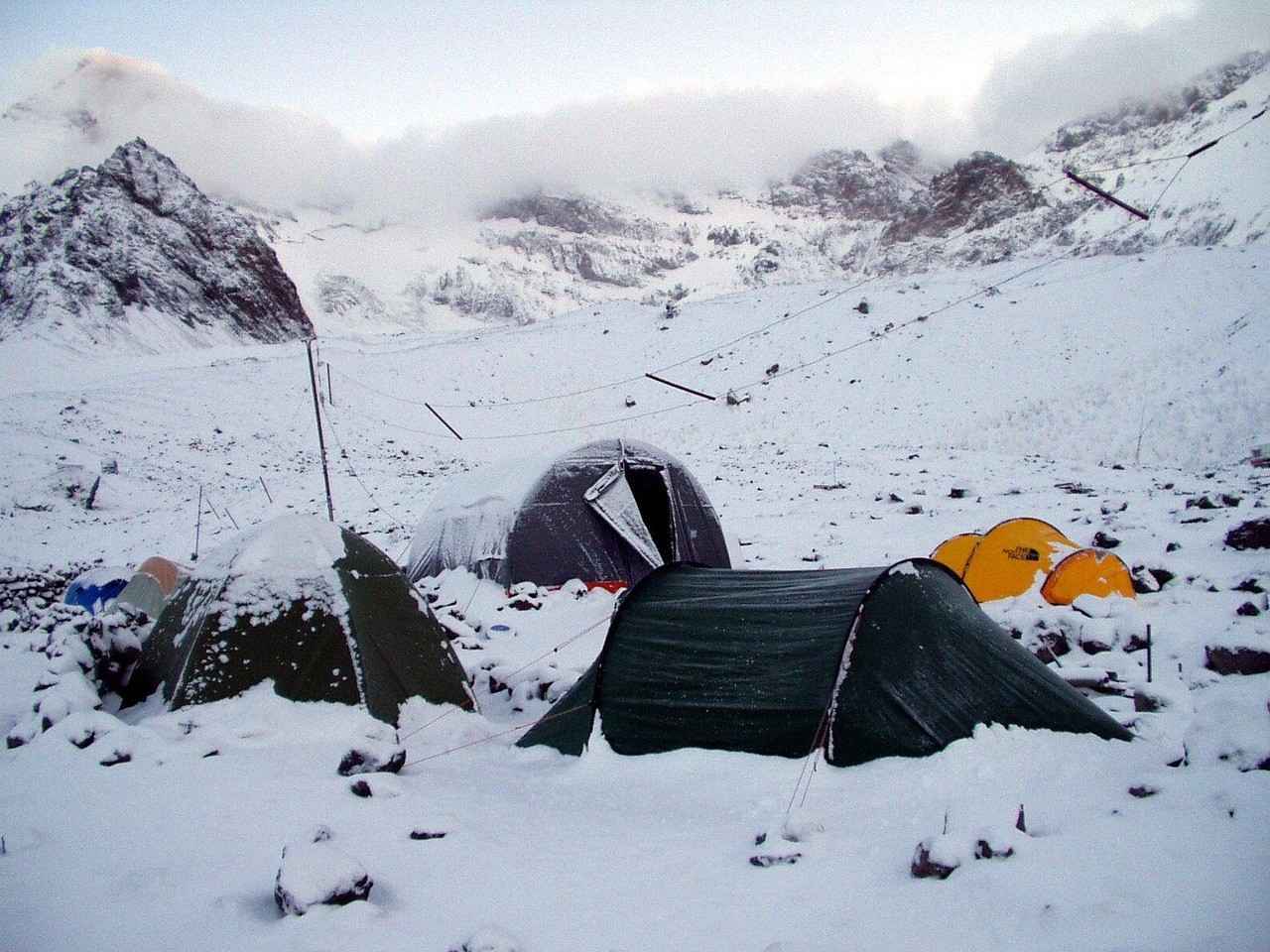
You cannot trek the Kanchenjunga without a porter, as this is a remote trek that requires camping. While it is possible to carry your own bag, it is highly recommended to keep your load light due to the challenging high-altitude terrain. A porter typically carries 30-35 kg including their own small bag. Satori Adventures always use service of trekking porters. Normally, we provide one porter among two trekkers or in 2:1 ratio, and we try to limit the luggage weight to 15-18 kg as far as possible.
Your passport is the most important travel document. Make sure that your passport is valid for at least six months from your travel date and have at least one blank page for the visa stamp (if the visa is not obtained in your home country). Make sure you have travel insurance that covers medical treatment and emergency helicopter evacuation. It is also recommended to carry a printed or confirmed air ticket for your onward or return journey. Indian citizens, however, can travel to Nepal without a passport and may enter using a valid voter (election) ID card or government-issued ID card.
From $2,270.00
Book This Tour

From $2,270.00
Book This Tour
You might also like