Pisang Peak Climbing
- 12 Days
Adult
Description
Duration
12 Days
Group Size
1-20+

Pisang Peak Climbing Overview
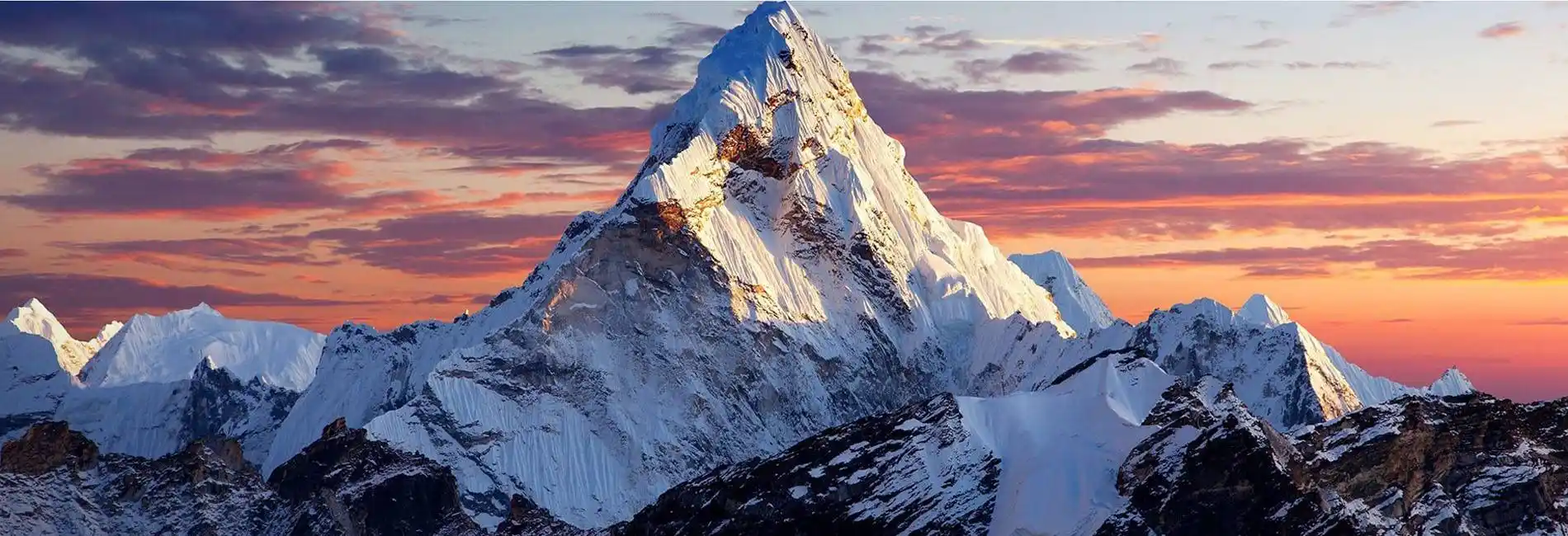
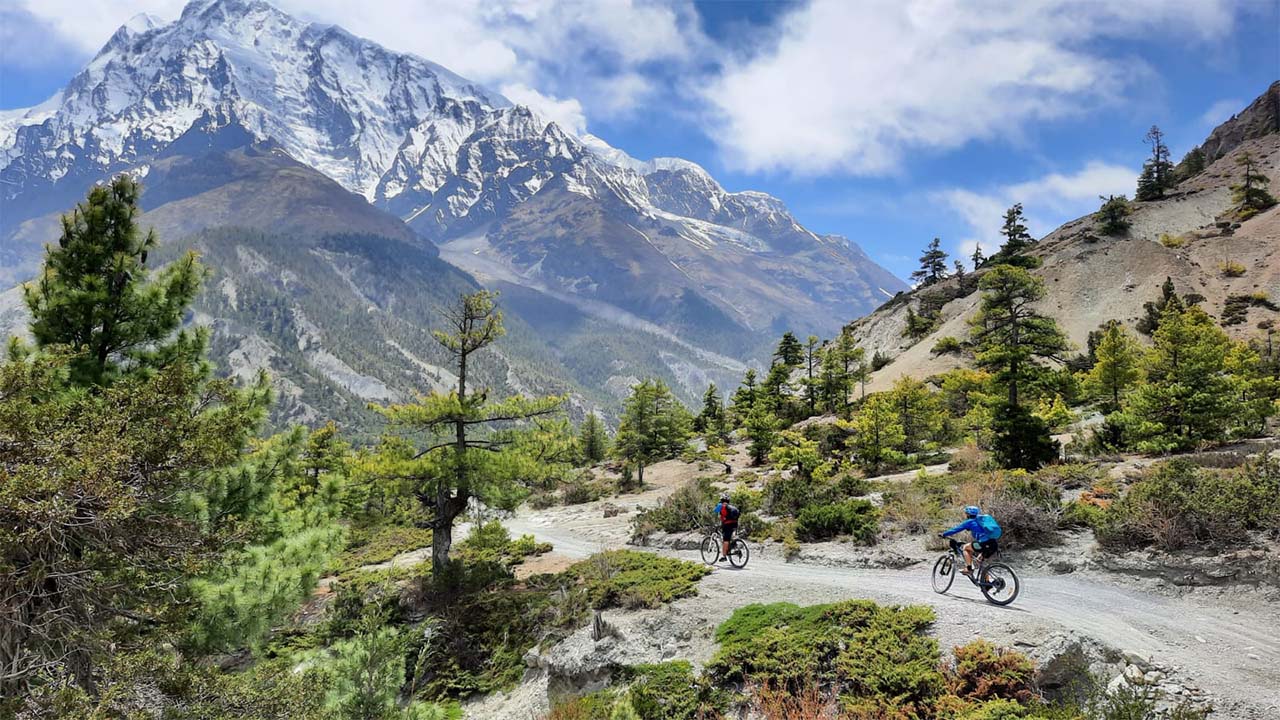
The Annapurna region of Nepal is not popular for peak climbing activities in comparison to the Everest region. However, there are many peaks which can provide the wilderness adventure experiences. Among several mountains to climb in the region, the Pisang Peak Climbing is probably the most mesmerizing. The route is located in the outskirts of the Annapurna Circuit Trek route making it the most scenic mountain to climb in the heart of the Annapurna region. The Asian Adventures Team has an experienced team of Sherpa climbing guides and crew members with high success rate. We are proud to offer you the best package exclusively of climbing without any side trips like the Tilicho Lake Trek or the Thorong La Pass Trek.
Included
- To ensure your safety and provide a smooth arrival experience, Asian Adventures offers complimentary airport pick-up and drop-off services for both international and domestic arrivals and departures.
- Representatives of Asian Adventures will be waiting for you at the airport with an Asian Adventures banner and your name placard for easy identification. The representative will also carry an official company ID card for verification.
- According to the trekking package itinerary, Asian Adventures arranges three nights of accommodation in Kathmandu in your selected hotel category, ranging from tourist-standard to five-star hotels.
- Asian Adventures provides experienced, government-authorized (licensed) high-altitude trekking guides throughout the trekking period.
- Surface transportation required during the trek and in major cities, as specified in the itinerary, is included.
- As per the itinerary, Asian Adventures arranges regular domestic flight tickets from Kathmandu to Lukla and Lukla to Kathmandu for trekking members and guides.
- During the trek, Asian Adventures provides comfortable accommodation in carefully selected tea houses (excluding chain hotels).
- Most lunches are taken along the trekking route, while breakfast and dinner are served at the tea house where you stay overnight. Asian Adventures provides clean and freshly prepared breakfast, lunch, and dinner, along with tea or coffee, from the tea house menu throughout the trek.
- To ensure your comfort and protection from cold weather, we provide clean and warm down jackets and sleeping bags during the trek.
- Asian Adventures allows up to 15 kg of personal trekking equipment per person, carried by porters, yaks, or mules during the trekking period.
- Since Everest Base Camp lies within the Sagarmatha National Park area, Asian Adventures provides all required national park permits.
- The Trekkers' Information Management System (TIMS) permit is mandatory for trekking in the Everest region. Asian Adventures arranges this permit for all trekkers.
- First-aid medical kits are provided for both trekkers and staff to ensure health and safety during the journey.
- Communication is an important safety factor in remote Himalayan regions. Therefore, Asian Adventures equips trekking guides with satellite phones for emergency situations.
- During your trek, Asian Adventures ensures clean, nutritious, and freshly prepared meals at tea houses.
- The quoted package price includes all official service charges, government fees, taxes, and VAT. There are no hidden costs beyond the stated price.
- Before departing Kathmandu, we invite you to join us for a farewell dinner at a traditional Nepali restaurant with a cultural performance. This provides a wonderful opportunity to experience Nepali culture and traditions.
- As a souvenir of your Himalayan adventure, Asian Adventures will present you with an Asian Adventures T-shirt, Pashmina, and company brochure before your departure.
Excluded
- Kathmandu offers a wide variety of high-quality restaurants serving Nepali and international cuisine. Therefore, lunch and dinner in Kathmandu (except the farewell dinner provided by Asian Adventures) are not included in the package cost and must be arranged by the client.
- Personal expenses such as snacks, packed foods, chocolates, energy bars, mineral water, soft drinks, energy drinks, alcoholic beverages, and cigarettes during the trek are not included. These items can be purchased individually according to personal preference.
- Expenses related to personal trekking equipment, laundry services, gratuities (tips), telephone calls, mobile services, internet usage, walkie-talkies, satellite phone usage, and other personal communication services are not included in the package.
- Trekking in the Himalayas is an adventurous activity conducted in remote mountain regions. For your safety, all participants must obtain comprehensive travel insurance before arriving in Nepal. The insurance policy should cover emergency helicopter evacuation, medical treatment, hospitalization, and other related expenses.
- International airfare to and from Nepal and the Nepal tourist visa fee are not included in the package cost and must be arranged by the traveler.
- Any additional expenses arising from unforeseen circumstances beyond our control, including natural disasters, adverse weather conditions, landslides, political disturbances, strikes, flight delays or cancellations, and changes in government regulations, are not included in the package cost.
- Costs associated with additional staff or services requested beyond those specified in the package are not included and will be charged separately.
- Any services not specifically listed under the "Package Includes" section will be considered additional services and will incur extra charges.
- Tipping is not included in the package price. Tipping guides, porters, and support staff is a customary practice in Nepal's trekking industry and is greatly appreciated as recognition of their hard work and service. The amount is entirely at the discretion of the client.
Travel Itinerary
Day 1 - Arrival at Kathmandu
Welcome to Nepal for an epic adventure to the top of the Pisang Peak at the heart of the Annapurna region. Upon arrival in Kathmandu, you will be transferred to your hotel. After check-in, there is time to rest and recover from the journey or explore the lively streets nearby. Kathmandu offers a rich blend of culture, history, and spirituality. In the evening, you may meet your guide for a short briefing about the trek and peak climb. Final equipment checks can be done, ensuring everything is ready for the adventure ahead. Overnight in a hotel.
Day 2 - Drive to Dharapani (1860m) via Besisahar 8/9 Hrs
Today begins with a scenic drive from Kathmandu to Dharapani, passing through Besisahar. The journey follows winding mountain roads alongside rivers, terraced farmlands, and traditional villages. As you move deeper into the Annapurna region, landscapes gradually change from low hills to rugged terrain. Though the drive is long, it offers stunning views and insight into rural Nepali life. Overnight in a tea house.
Day 3 - Trek from Dharapani to Chame (2640 m) - 6/7 Hrs
The trek starts from Dharapani, following forested trails along the Marsyangdi River. You will pass through small settlements, suspension bridges, and pine forests. Waterfalls and rocky cliffs add dramatic beauty to the route. As you gain altitude, the air becomes cooler and fresher. Chame, the district headquarters of Manang, welcomes you with impressive mountain views and natural hot springs nearby. Overnight in a tea house.
Day 4 - Trek to Upper Pisang (3,300m–3,700m) - 7/8 Hrs
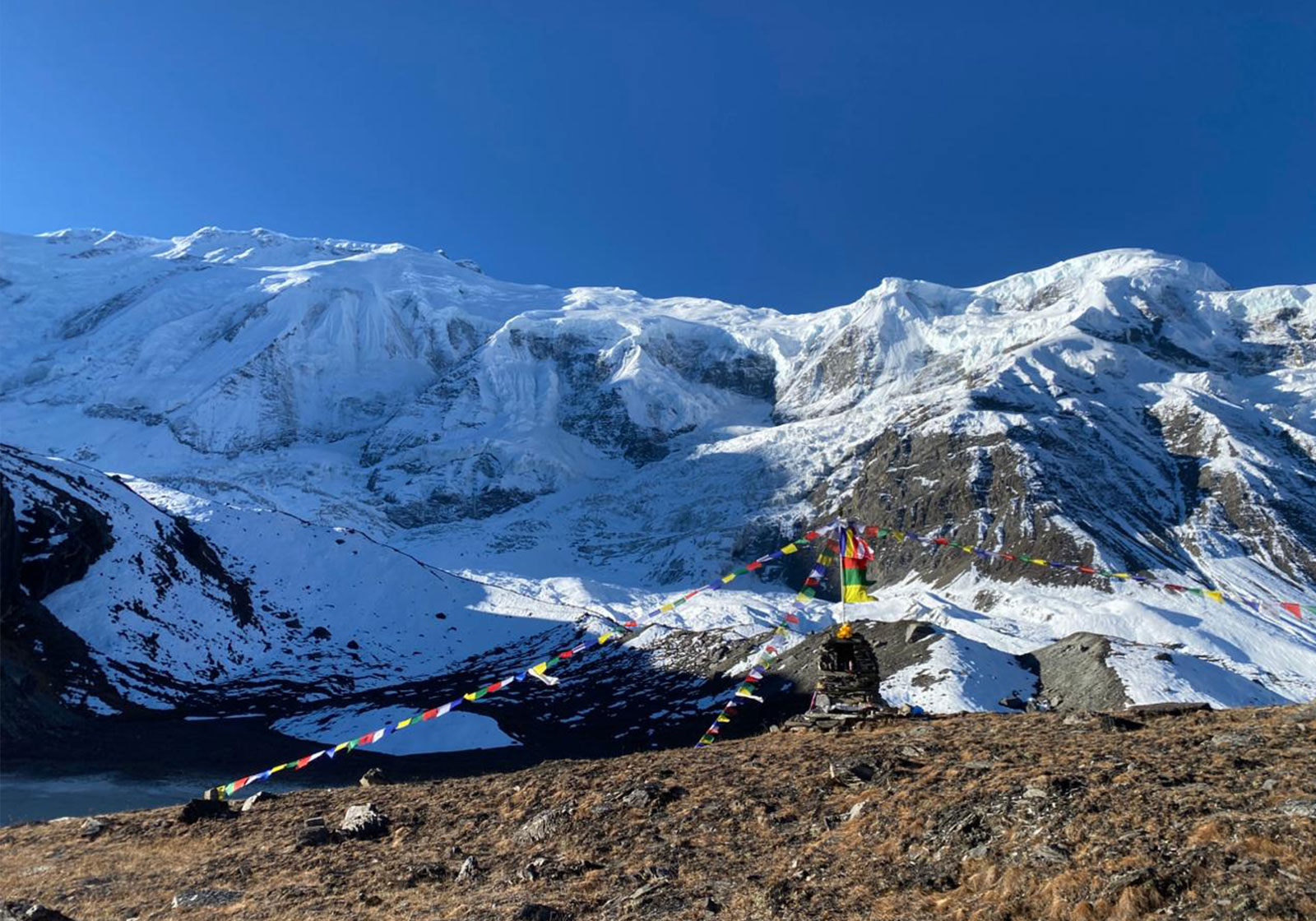
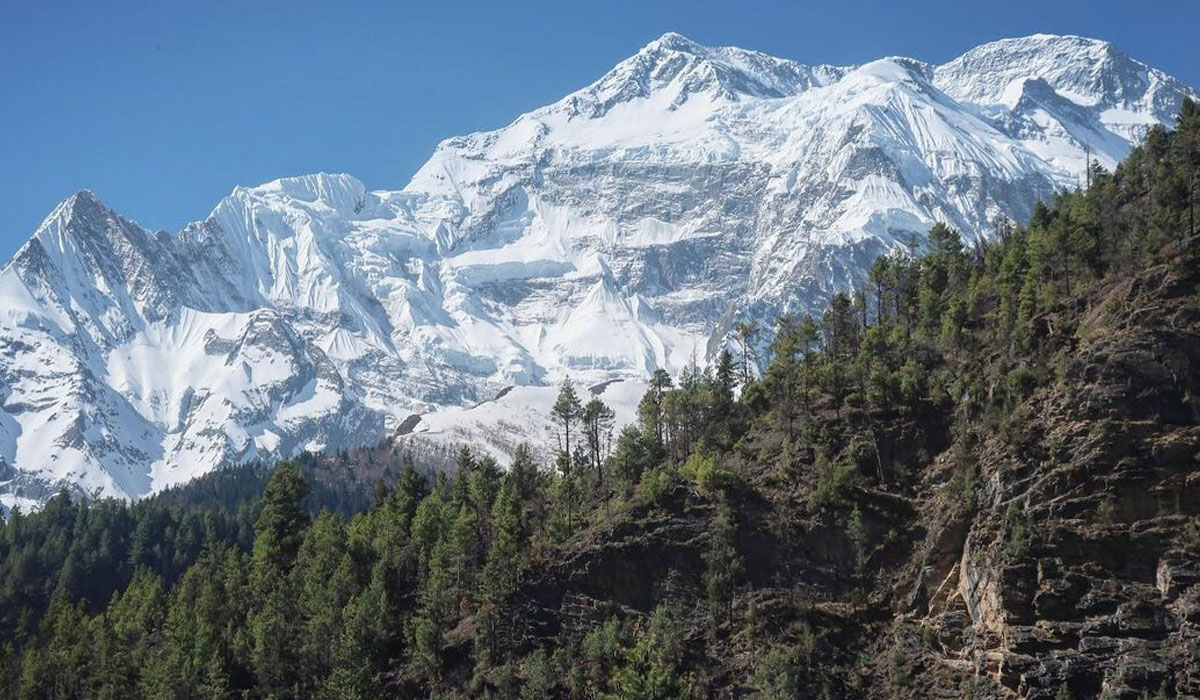
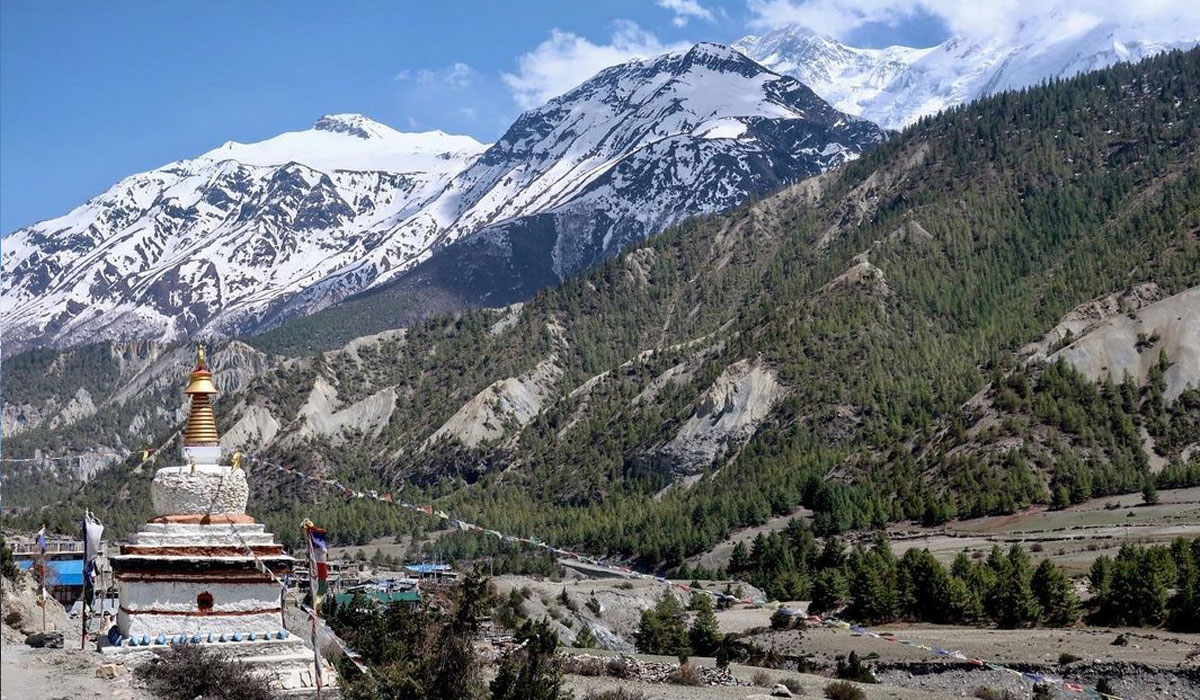
Today’s trek continues through dense pine forests and steep trails, gradually climbing toward Upper Pisang. Along the way, you will see dramatic rock faces and snow-capped peaks such as Annapurna II. The landscape becomes more alpine as you gain elevation. Upper Pisang is known for its traditional stone houses and monastery. The village offers breathtaking views of the surrounding mountains, making it an ideal place to rest and acclimatize. Overnight in a tea house.
Day 5 - Acclimatization Day in Upper Pisang / Preparation
This day is dedicated to acclimatization and preparation for the upcoming climb. You will spend the day hiking to nearby viewpoints or ridges to help your body adjust to the altitude while returning to Upper Pisang for rest. These short hikes provide excellent views of Annapurna II, III, and Pisang Peak. Your guide will also conduct a thorough briefing on climbing techniques, safety procedures, and the use of equipment such as crampons, ropes, and ice axes. Final gear checks are completed, and any missing or faulty equipment is addressed. Adequate rest, hydration, and nutrition are emphasized to prepare both physically and mentally for the ascent ahead. Overnight in a tea house.
Day 6 - Trek to Pisang Peak Base Camp (4,380m) - 5/6 Hrs
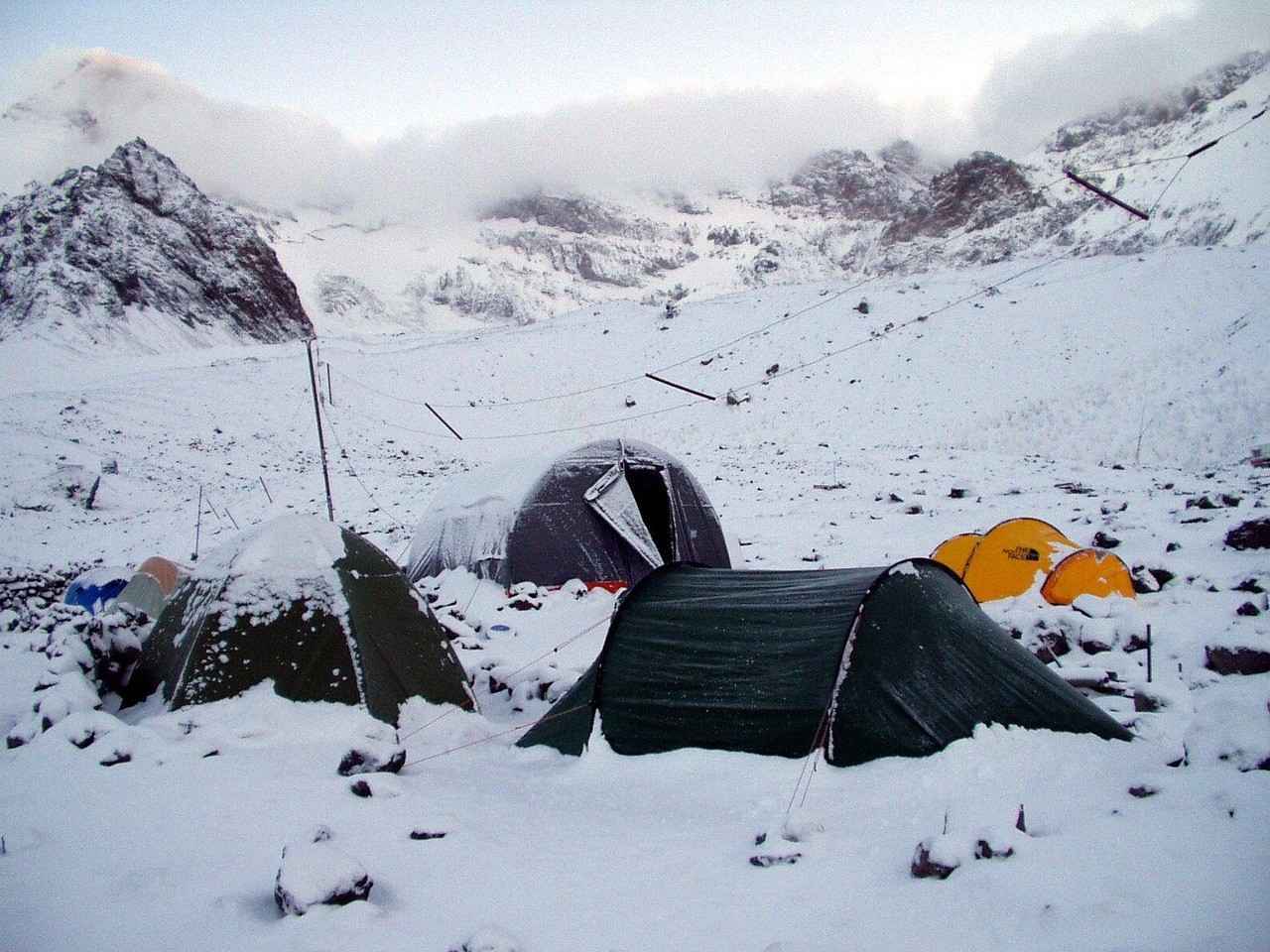
The trek to Pisang Peak Base Camp takes you off the main trail and into more remote, rugged terrain. The path ascends gradually across alpine pastures and rocky slopes, offering spectacular views of the surrounding peaks. As vegetation becomes sparse, the environment feels more isolated and high-altitude in nature. Upon reaching Base Camp, tents are set up, and you settle into a true mountaineering atmosphere. The rest of the day is spent resting, hydrating, and practicing basic climbing skills. Your guide may review rope techniques and movement on snow and ice. Overnight in a tented accommodation.
Day 7 - Trek to High Camp (5,400m) -4/5 Hrs
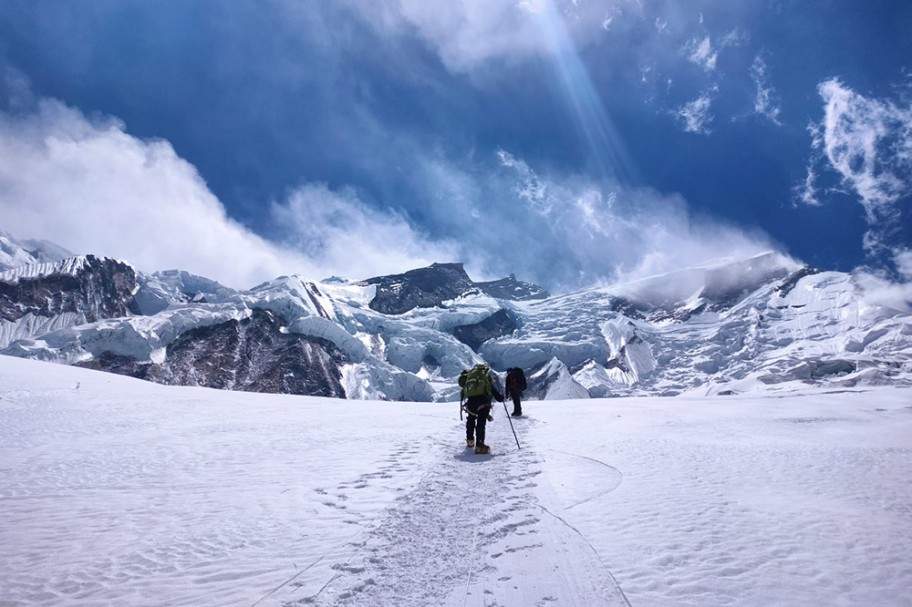
Today’s climb to High Camp is steeper and more demanding, as you move higher into the alpine zone. The trail involves ascending snow-covered slopes and rocky ridges, requiring careful footing. The thin air makes the trek slower, but the views become increasingly dramatic with vast panoramas of the Annapurna range. Upon reaching High Camp, tents are pitched on a narrow, exposed area. After a light meal, you rest and mentally prepare for the summit attempt. Your guide will give a final briefing about summit day, weather conditions, and safety measures. Early sleep is essential for the long day ahead. Overnight in a tented accommodation.
Day 8 - Pisang Peak Summit Day (6,091m) and Descend to Base Camp
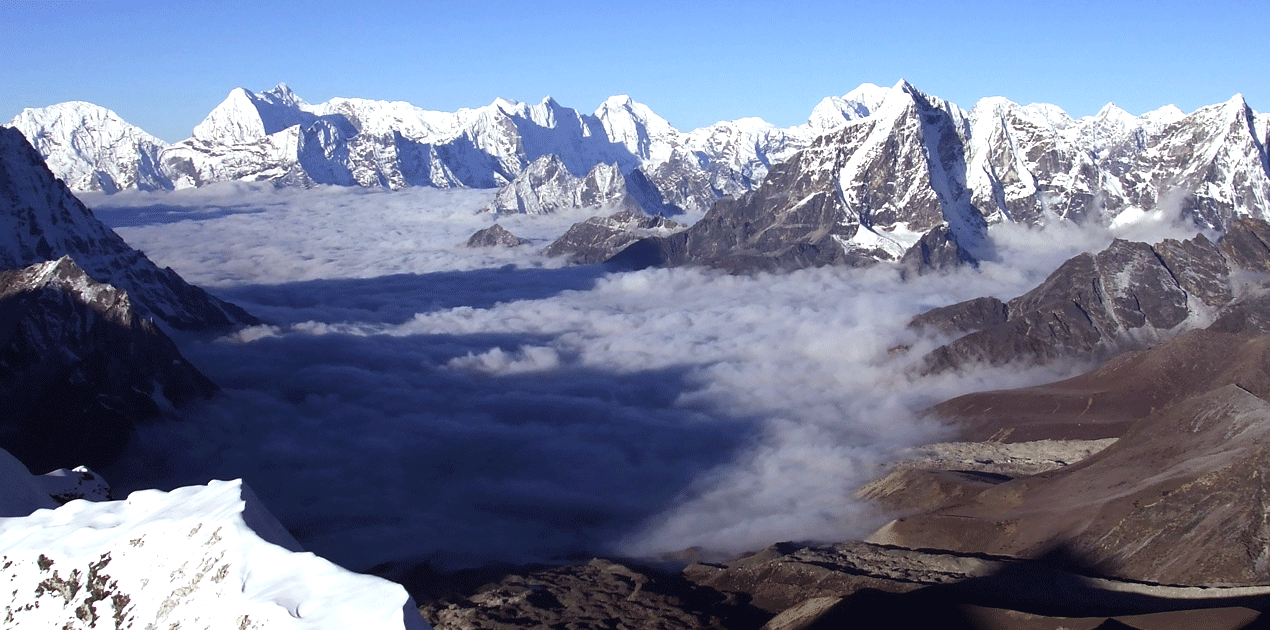
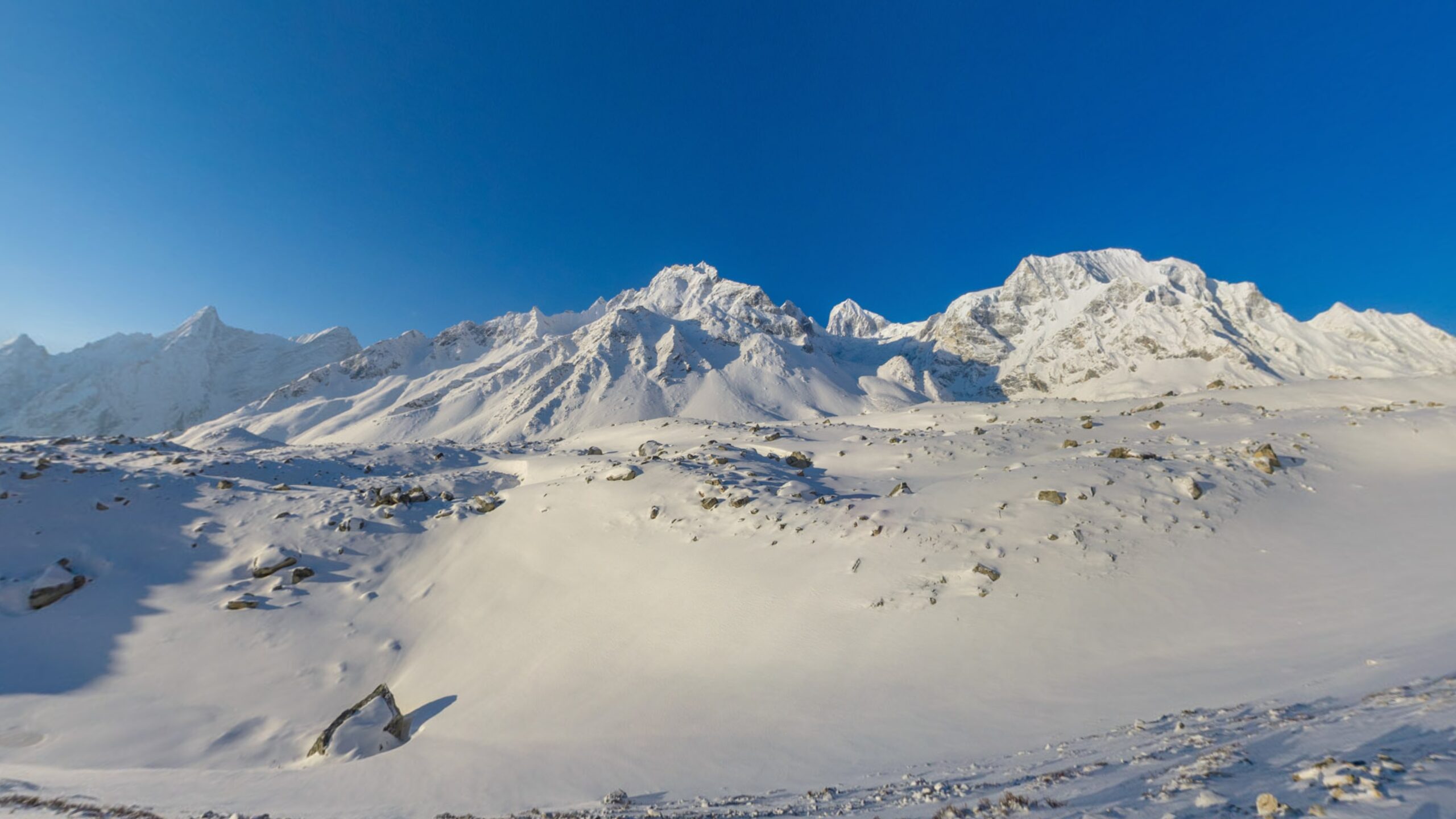
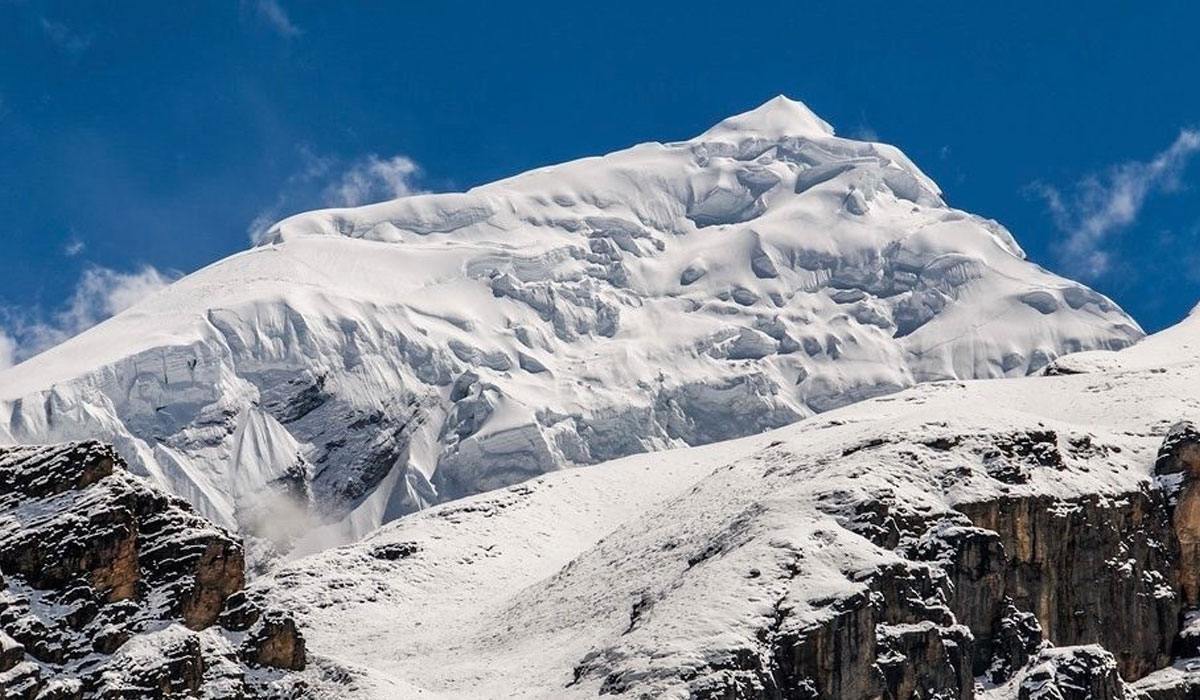
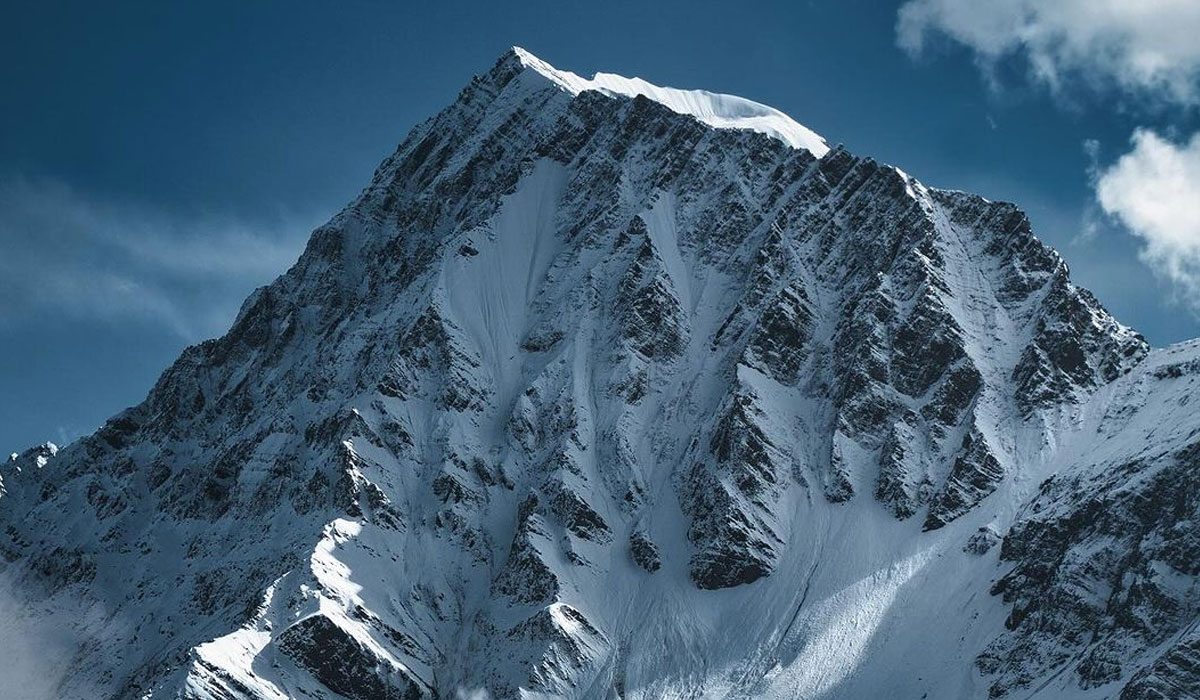
Summit day begins very early, often before midnight, under starlit skies. Using headlamps, you follow your guide across snow and ice, roped together for safety. The final ascent involves steep sections requiring crampons and ice axes. As dawn breaks, the views from the summit are truly breathtaking, showcasing Annapurna, Dhaulagiri, Manaslu, and beyond. After celebrating and taking photos, you carefully descend back to High Camp and continue down to Base Camp. The long descent is physically demanding, but reaching Base Camp safely brings a deep sense of accomplishment and relief. Overnight in a tea house.
Day 9 - Trek Back to Manang or Lower Pisang
After the successful climb, you begin the descent back toward Manang or Lower Pisang. The trail feels easier as altitude decreases, and breathing becomes more comfortable. You retrace familiar paths through alpine terrain, gradually re-entering greener landscapes. The day offers time to reflect on the summit experience while enjoying relaxed trekking. Passing through villages, you may interact with locals and experience their warm hospitality. Reaching Manang or Lower Pisang, you enjoy a well-earned rest in a lodge, celebrating the completion of the climbing portion of the journey. Overnight in a tea house.
Day 10 - Drive to Besisahar (760m) - 5/6 Hrs
Today you leave the high mountains behind and drive back to Besisahar. The road follows the Marsyangdi River, passing waterfalls, farmlands, and hillside villages. The change in scenery is striking as you descend into warmer, greener regions. Though the drive may be bumpy at times, it provides a final look at the Annapurna region’s diverse landscapes. Upon arrival in Besisahar, you check into your lodge and enjoy a comfortable evening after days of trekking. Overnight in a lodge.
Day 11 - Drive to Kathmandu
The journey continues with a drive from Besisahar back to Kathmandu. Along the way, you pass rivers, terraced fields, and bustling roadside towns. As you approach the capital, traffic and city life gradually return. After arriving in Kathmandu, you are transferred to your hotel. The rest of the day is free for shopping, sightseeing, or relaxing. In the evening, you may enjoy a farewell dinner to celebrate the successful adventure and the Nepal High Trek official will review the trip. You will also be given the successful completion of Pisang Peak Certificate. Overnight in a hotel
Day 12 - Departure
Today marks the end of your journey. Depending on your flight schedule, you will be transferred to the airport for departure. If time permits, you can enjoy a final walk around Kathmandu or purchase last-minute souvenirs. As you leave Nepal, we will bid farewell with promise to meet again.
Maps
Frequently Asked Questions
Climbing a mountain is never an easy task to any individual. The altitude of the Pisang Peak is 6091 m which is not very high as compared to mountains like the Island Peak (6189 m), Lobuche Peak (6119 m), and Mera Peak (6476 m), Chulu West Peak Climbing 6425m but it is technical. Therefore, you must prepare yourself by building the cardio – vascular abilities and fitness level. You can talk with the travel planners and Sherpa Guide of the Nepal High Trek before the trip. The chance to talk with the main guide can really help you prepare for the climb and also boost your morale.
No, you don’t need prior climbing experiences to climb Pisang Peak in Nepal. We highly recommend you to do high – altitude trekking trips and hiking in the trail above 4000 m altitude before climbing the mountain. A person with the prior climbing experiences can surely feel comfortable climbing the mountain. Moreover, it is always nice to climb the snow – capped mountain above 6000 m altitude with experiences. Even if you don’t have any experiences, the Nepal High Trek has knitted the itinerary in such a way that you can do light training and gear familiarization in Upper Pisang, Base Camp, and High Camp.
The months of the spring season especially April and May are the best time to do the Pisang Peak Climbing in Nepal. Some experienced climbers choose to do the autumn and winter ascent of the mountain. Note down that autumn season and winter season climbing require you to be an experienced climber. The success rate of the spring peak climbing is higher than climbing the mountain in other seasons.
From $2,310.00
Book This Tour

From $2,310.00
Book This Tour
You might also like