Everest Expedition North
- 52 Days
Adult
Description
Duration
52 Days
Group Size
6-10+

Everest Expedition North Overview
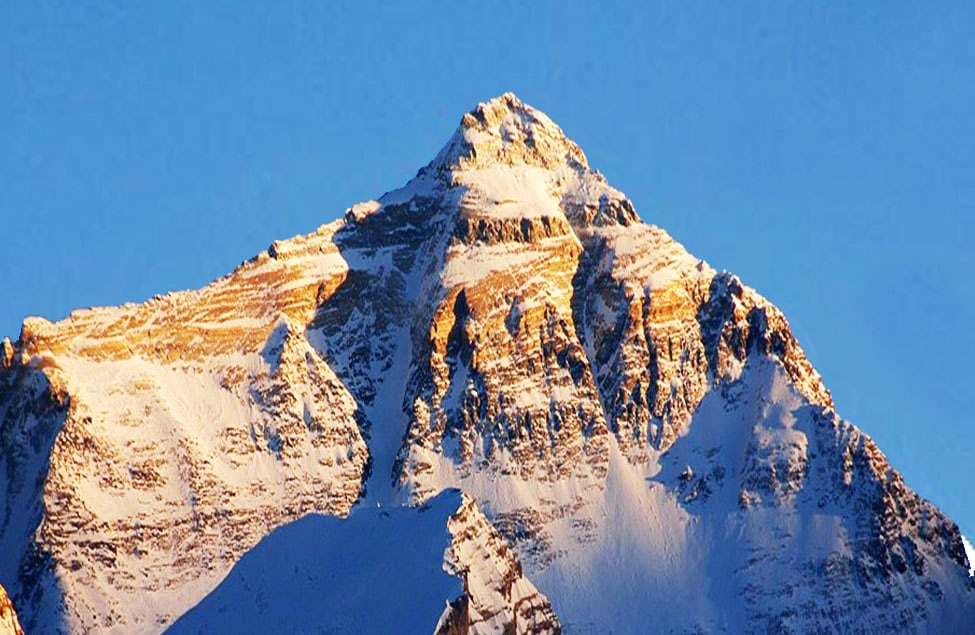
Ask an adventurer about their dream, and they will answer you with a word; EVEREST. Who would not want to reach the top of the world? Who would not want to touch the sky? It’s the trip of a lifetime, the Everest Expedition. Mt. Everest is the highest mountain in the world and is located in the Himalayas, on the border between Nepal and China. Mt. Everest, also known as The Sagarmatha in Nepali is the tallest peak on earth with an altitude of 8848.86m. The southern face lies in Nepal whereas the northern face is in Tibet. In 1715, China surveyed the mountain for the first time while they were mapping Chinese territory and depicted it as Mount Qomolangma. British Indian government 1856 again measured Mount Everest during their Great Trigonometry Survey. Back then, it was named Peak XV and said to be 8840m tall.
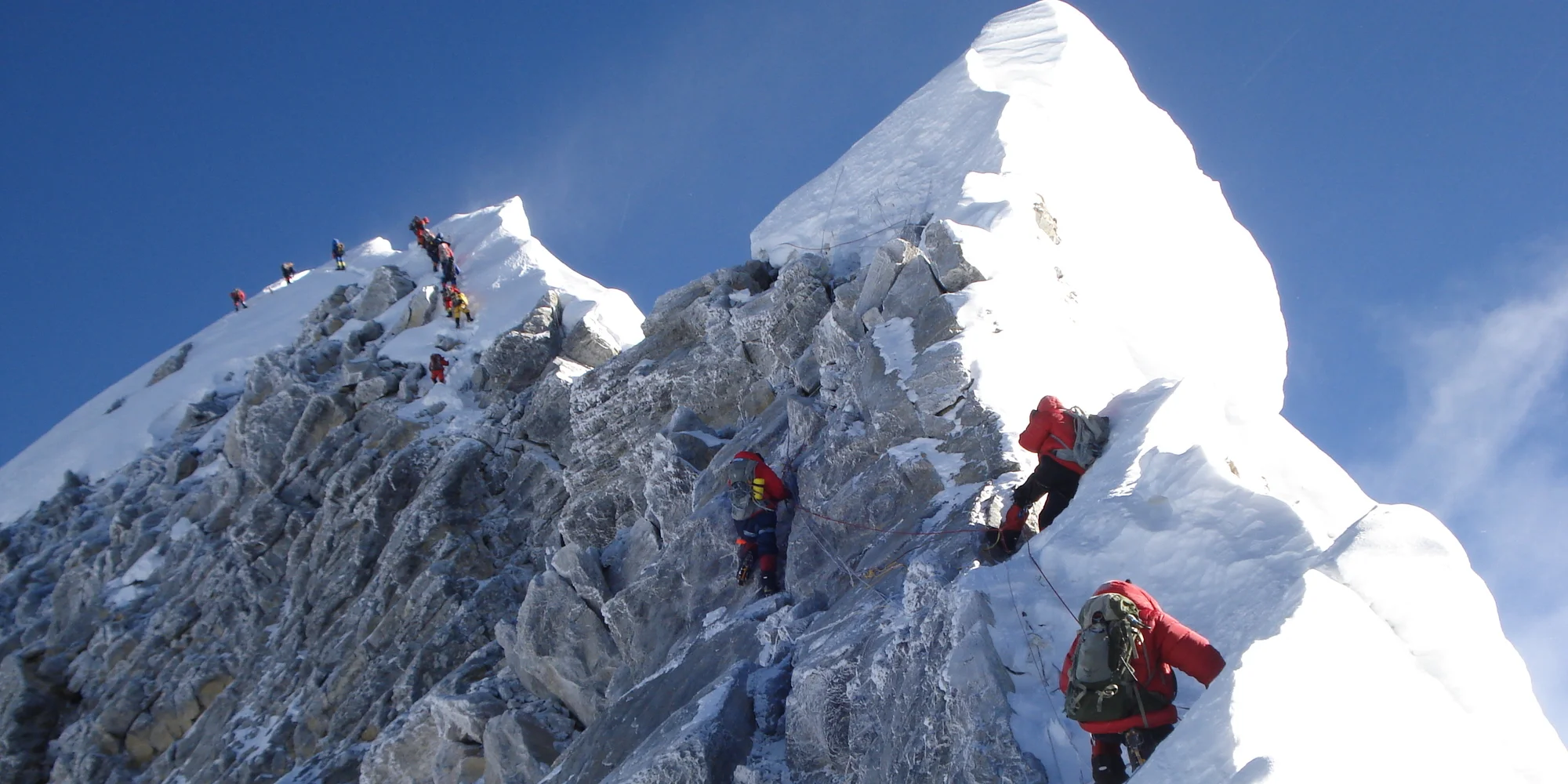
Mount Everest Expedition is undoubtedly a lifetime opportunity. Nevertheless, these expeditions encounter many hindrances such as high altitude, severe weather conditions, and avalanches. One must be well-trained before actually trying it. You need to get your body ready for the 8848.86m-foot climb to Everest's summit. Depending on your current level of fitness, you need to train for several months before you start your ascent. A climber must build his/her cardiovascular strength along with muscular strength; oxygen level drops by 60-70 percent from sea level. Also, make sure you can carry big backpacks to the top as you will be carrying a cylinder of oxygen and large bag packs along with you. One must acclimatize to weather conditions and be prepared for rock falls, and avalanches. Learning rescue techniques would be an added advantage.
Included
- To ensure your safety and provide a smooth arrival experience, Asian Adventures offers complimentary airport pick-up and drop-off services for both international and domestic arrivals and departures.
- Representatives of Asian Adventures will be waiting for you at the airport with an Asian Adventures banner and your name placard for easy identification. The representative will also carry an official company ID card for verification.
- According to the trekking package itinerary, Asian Adventures arranges three nights of accommodation in Kathmandu in your selected hotel category, ranging from tourist-standard to five-star hotels.
- Asian Adventures provides experienced, government-authorized (licensed) high-altitude trekking guides throughout the trekking period.
- Surface transportation required during the trek and in major cities, as specified in the itinerary, is included.
- As per the itinerary, Asian Adventures arranges regular domestic flight tickets from Kathmandu to Lukla and Lukla to Kathmandu for trekking members and guides.
- During the trek, Asian Adventures provides comfortable accommodation in carefully selected tea houses (excluding chain hotels).
- Most lunches are taken along the trekking route, while breakfast and dinner are served at the tea house where you stay overnight. Asian Adventures provides clean and freshly prepared breakfast, lunch, and dinner, along with tea or coffee, from the tea house menu throughout the trek.
- To ensure your comfort and protection from cold weather, we provide clean and warm down jackets and sleeping bags during the trek.
- Asian Adventures allows up to 15 kg of personal trekking equipment per person, carried by porters, yaks, or mules during the trekking period.
- Since Everest Base Camp lies within the Sagarmatha National Park area, Asian Adventures provides all required national park permits.
- The Trekkers' Information Management System (TIMS) permit is mandatory for trekking in the Everest region. Asian Adventures arranges this permit for all trekkers.
- First-aid medical kits are provided for both trekkers and staff to ensure health and safety during the journey.
- Communication is an important safety factor in remote Himalayan regions. Therefore, Asian Adventures equips trekking guides with satellite phones for emergency situations.
- During your trek, Asian Adventures ensures clean, nutritious, and freshly prepared meals at tea houses.
- The quoted package price includes all official service charges, government fees, taxes, and VAT. There are no hidden costs beyond the stated price.
- Before departing Kathmandu, we invite you to join us for a farewell dinner at a traditional Nepali restaurant with a cultural performance. This provides a wonderful opportunity to experience Nepali culture and traditions.
- As a souvenir of your Himalayan adventure, Asian Adventures will present you with an Asian Adventures T-shirt, Pashmina, and company brochure before your departure.
Excluded
- Kathmandu offers a wide variety of high-quality restaurants serving Nepali and international cuisine. Therefore, lunch and dinner in Kathmandu (except the farewell dinner provided by Asian Adventures) are not included in the package cost and must be arranged by the client.
- Personal expenses such as snacks, packed foods, chocolates, energy bars, mineral water, soft drinks, energy drinks, alcoholic beverages, and cigarettes during the trek are not included. These items can be purchased individually according to personal preference.
- Expenses related to personal trekking equipment, laundry services, gratuities (tips), telephone calls, mobile services, internet usage, walkie-talkies, satellite phone usage, and other personal communication services are not included in the package.
- Trekking in the Himalayas is an adventurous activity conducted in remote mountain regions. For your safety, all participants must obtain comprehensive travel insurance before arriving in Nepal. The insurance policy should cover emergency helicopter evacuation, medical treatment, hospitalization, and other related expenses.
- International airfare to and from Nepal and the Nepal tourist visa fee are not included in the package cost and must be arranged by the traveler.
- Any additional expenses arising from unforeseen circumstances beyond our control, including natural disasters, adverse weather conditions, landslides, political disturbances, strikes, flight delays or cancellations, and changes in government regulations, are not included in the package cost.
- Costs associated with additional staff or services requested beyond those specified in the package are not included and will be charged separately.
- Any services not specifically listed under the "Package Includes" section will be considered additional services and will incur extra charges.
- Tipping is not included in the package price. Tipping guides, porters, and support staff is a customary practice in Nepal's trekking industry and is greatly appreciated as recognition of their hard work and service. The amount is entirely at the discretion of the client.
Travel Itinerary
Day 1 - Arrival in Kathmandu and transfer to the Hotel (1400m)
Day 2 - Rest day in Kathmandu: Tibet Visa Preparation
Day 3 - Domestic flight to Lukla (2866m) and trek to Paiya (2730m)
Day 4 - Trek from Paiya to Pangokma (2846m)
Day 5 - Trek from Pangokma to Chatra Khola (3150m) via Ramailo Danda
Day 6 - Trek from Chatra Khola to Kothe (3550m)
Day 7 - Trek from Kothe to Thagnak (4350m)
Day 8 - Trek from Thagnak to Khare (4800m)
Day 9 - Acclimatization day at Khare
Day 10 - Hike from Khare to Mera high camp (5800m)
Day 11 - Trek from Mera high camp to Mera Peak (6654m) summit and back to khare
Day 12 - Contingency day for climbing
Day 13 - Trek from Khare to Khote
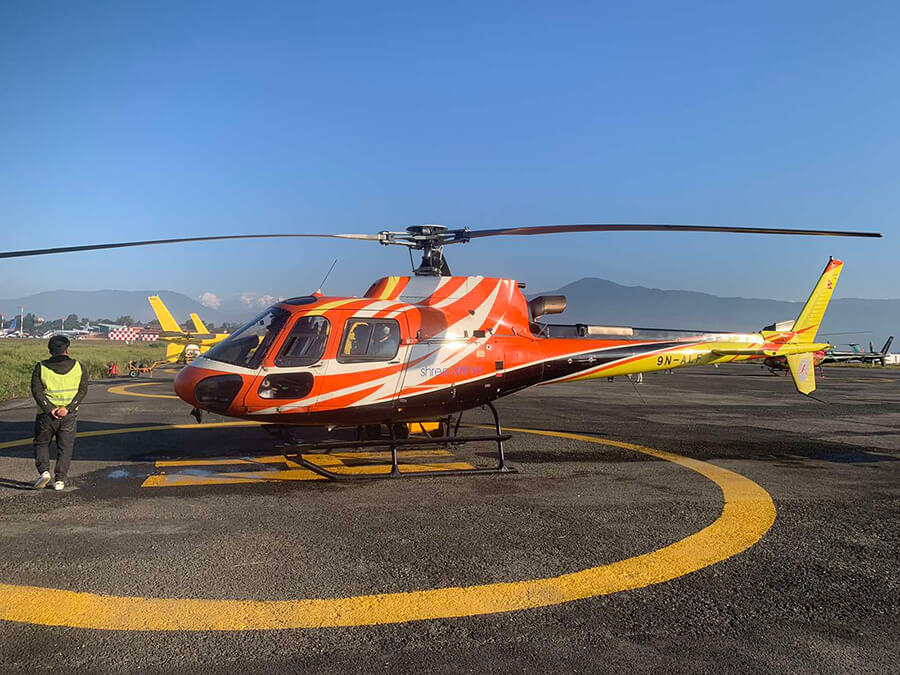
Day 14 - Heli flight from Khote – Lukla – Kathmandu on sharing basis
Day 15 - Rest day in Kathmandu, last minute shopping
Day 16 - Flight from Kathmandu – Lhasa and transfer to the hotel
Day 17 - Sightseeing in Lhasa
Day 18 - Drive from Lhasa to Sigatse (3900m)
Day 19 - Drive from Sigatse to Thingri (4350m)
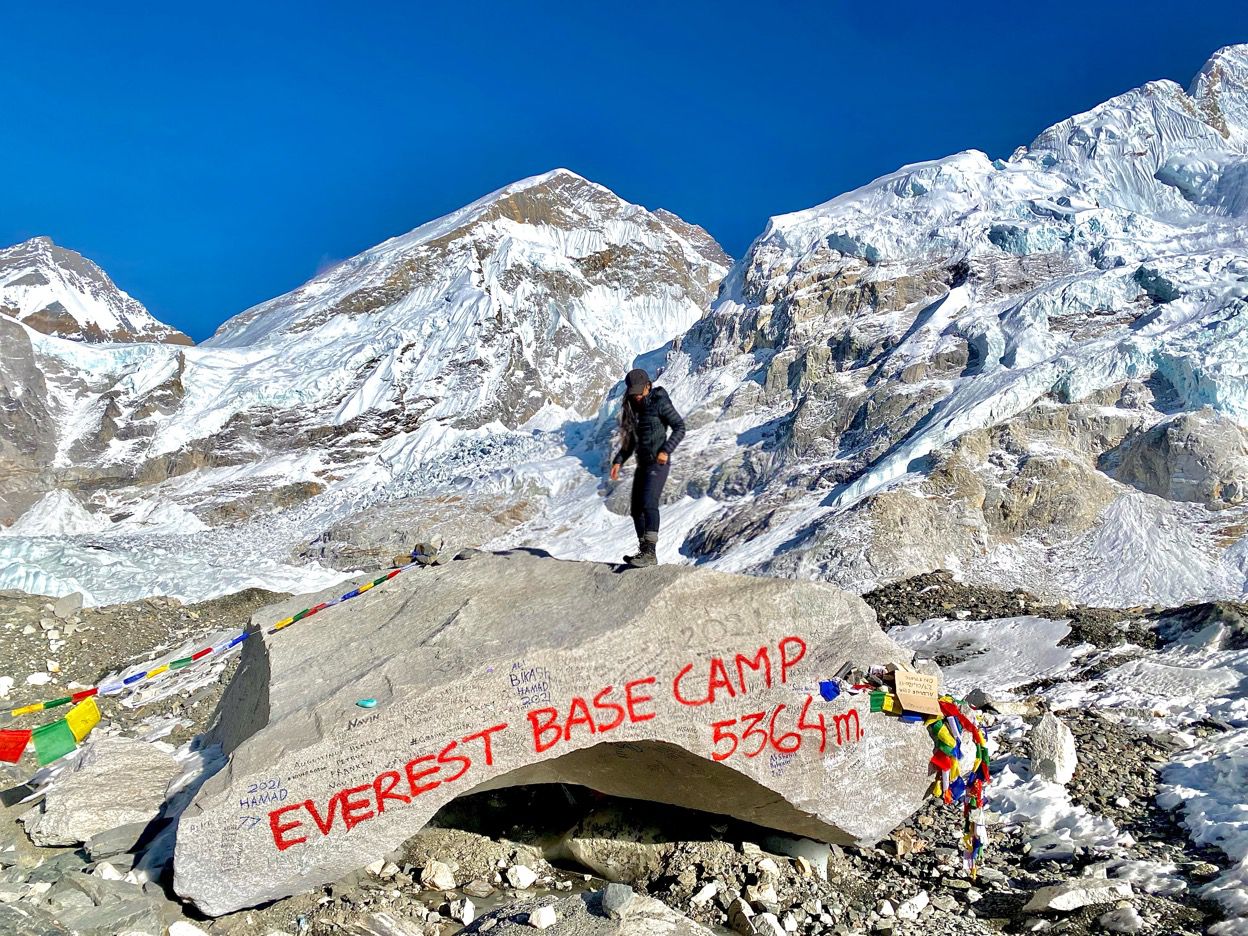
Day 20 - Drive from Thingri to Everest Basecamp (5200m)
Day 21-22 - Acclimatization and preparing loads for Advance Basecamp
Day 23 - Trek from Everest Basecamp to Intermediate Camp (5800m)
Day 24 - Trek from Intermediate Camp to Advance Basecamp (6400m)
Day 25 - Rest and acclimatization at ABC
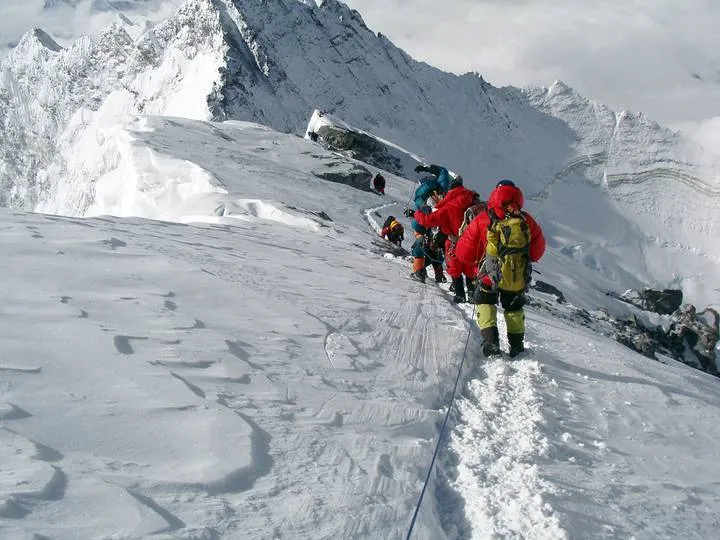
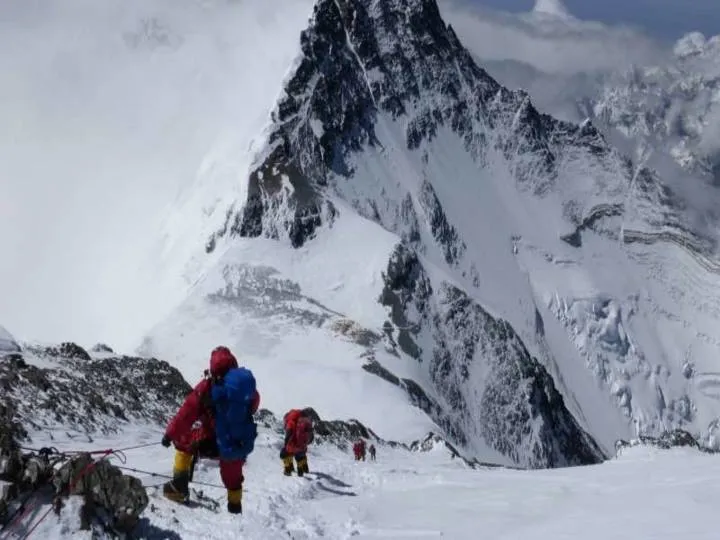
Day 26-47 - Climbing Period [Adv. Basecamp to Camp I, Camp II 7700, Camp II to Camp III 8300, Camp III to Everest Summit (8848.86m), and back to Camp II, and next day to the - Adv. Basecamp]
Day 48 - Trek from Advance Basecamp to Everest Basecamp
Day 49 - Drive from Basecamp to Kyirong (2700m)
Day 50 - Cross the border and Drive to Kathmandu
Day 51 - Leisure Day in Kathmandu
Day 52 - Transfer to the International Airport for final departure
Maps
Frequently Asked Questions
Mount Everest expedition is an extreme physical and physiological undertaking. If you are considering climbing Mount Everest, you must first ask yourself several honest questions: Am I physically fit enough? Am I technically capable of handling the expected terrain and conditions? Am I mentally and emotionally strong enough for high-altitude expeditions? If you have any doubts, we recommend first attempting a 7,000-meter peak in the Himalayas or even another 8,000-meter mountain before trying Everest. Strong preparatory choices include Mount Cho Oyu, Shishapangma (Xixiabangma as pronounced in Chinese), and Manaslu, all of which will truly test your endurance, skills, and decision-making ability and prepare for the Mt Everest expedition. The Himalayan peaks demand honesty – with yourself first, then with your climbing partners and the expedition organizer. At times during a climb, your life may depend on another person’s awareness and skill, just as their life may depend on yours.
Standing on the highest point on Earth is a lifelong dream for many adventure lovers. A Mount Everest expedition is a journey of self-discovery that tests the limits of both physical and mental endurance under the most extreme conditions on the planet. As you are a thrill-seeker and looking for a truly life-changing experience, there is no alternative in the world to climbing Mount Everest. Since the beginning, reaching the top of Mount Everest has remained a powerful symbol of pride and courage – not only for individuals, but also for communities and even entire nations. Mount Everest continues to inspire people to dream bigger and achieve what once seemed impossible. The Himalayas are deeply respected as sacred in many beliefs and scriptures, making a Mount Everest expedition not only an adventure, but also a profound spiritual journey. There is truly no other place and no other experience on earth that compares to standing on the summit of Mount Everest.
Climbing Mount Everest – the highest point on earth (8848.86 m / 29031.72ft) – requires power of high endurance, both mental and physical skills and strength. Practically for the success and safety, your previous experiences in rock climbing, snow and ice climbing or even high-altitude climbing experiences in the Himalayas will be beneficial. But, without previous experiences you can opt for our Guided Everest Expedition which is operated with the help of world-class Sherpa with your strong mental/physical preparation and trainings. These may include high VO2 max; strong legs, core, and shoulder; decision-making in extreme situations; strong emotional intelligence and judgements; and the positive mindset.
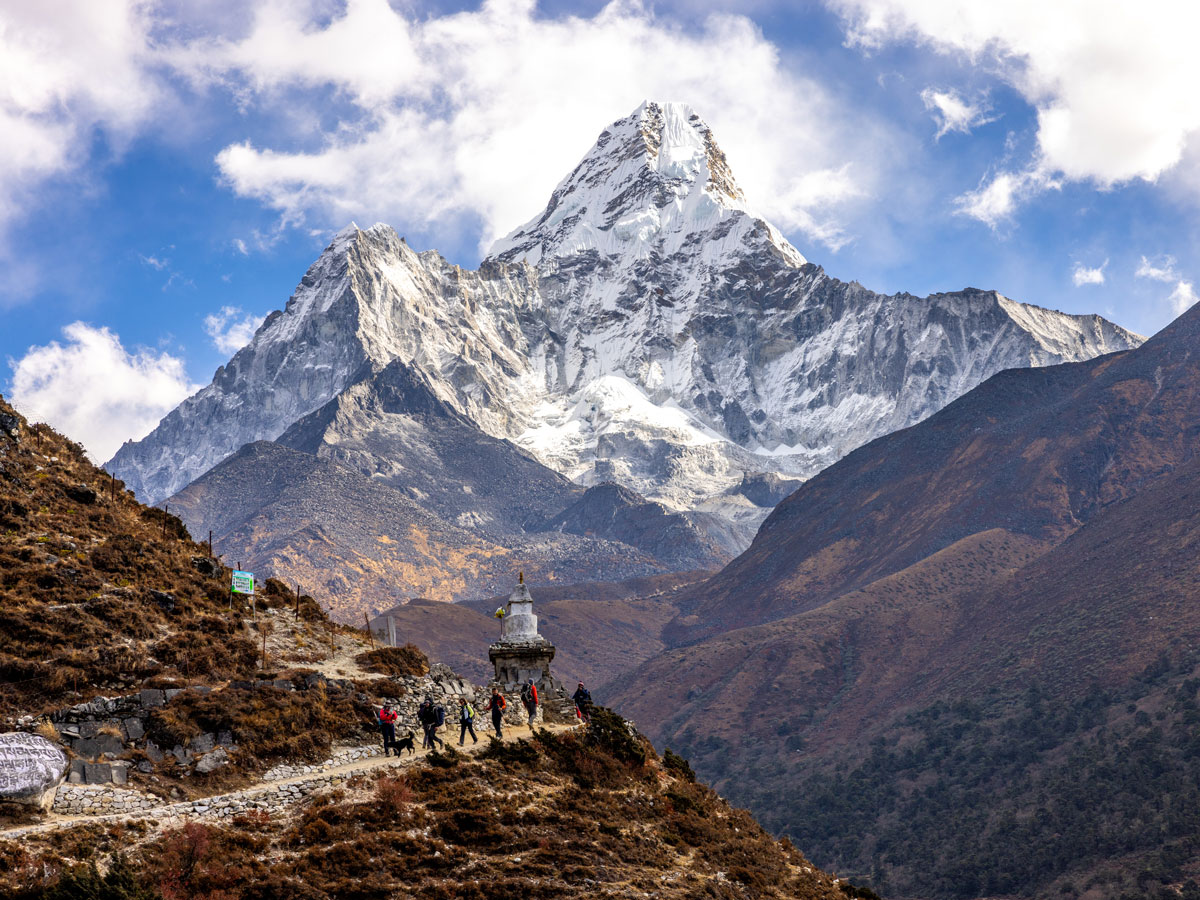
Mount Everest expedition is one of the most challenging undertakings because of extreme weather conditions, high altitude, and technical segments to climb. But, Mount Everest is less demanding in technical perspectives compared to Mount K2 and even Ama Dablam (6,812m / 22,349 ft) – being lower in altitude. Mount Everest has the most established route, support system, and logistics, thus the higher success rate and less objective risks. As you know that summiting Mount Everest is one of the most challenging feats, your proper fitness and trainings matter for your success. So, we recommend you to undergo at least 6 months to 18 months’ training related to cardiovascular; body strength – specially legs, core, and upper body; hiking on mountainous terrains; technical mountaineering skills – such as ice climbing, rope work and others; mental preparation – emotional intelligence, decision-making under stressful conditions etc.
Compared to most mountain expeditions around the world, climbing Mount Everest is undeniably expensive. However, for many climbers, the cost is justified by the once-in-a-lifetime adventure and the personal achievement of standing on the highest point on Earth. Ultimately, the value of an Everest expedition depends on one’s goals, priorities, and perspective. There is no doubt that it offers an experience unlike any other. Several key factors contribute to high cost of an Everest expedition: Government permits and fees: The Government of Nepal charges significant climbing permit fees, along with additional administrative and environmental charges. Sherpa and support staff: Sherpa play a vital role in every Everest expedition. The number of experienced guides, support staff, and the climber-to-Sherpa ratio greatly affects the overall cost. Oxygen and Mask Regulator Systems: The Mount Everest expedition has become safer and more achievable today due to the use of supplemental oxygen and modern breathing apparatus. However, these systems are extremely expensive and contribute significantly to the overall cost of the expedition. A climber typically uses 7–8 oxygen bottles during the ascent, while the accompanying high-altitude Sherpa guide generally uses 4–5 bottles. Each bottle costs approximately USD 500–600, including the expense of transporting it to higher camps where each bottle weighs 4 kg. For safety reasons, we provide at least three sets of masks and regulators, which are shared between the climber and the Sherpa guide. In addition, spare bottles and emergency oxygen supplies are also carried. All of these — including regulators, masks, backup units, and transportation — add significantly to the total expedition cost. High-quality mountaineering gear: Everest is one of the most demanding environments on the planet, requiring top-grade technical equipment and specialized clothing, which significantly increases expenses. Transportation and logistics: Getting equipment and supplies to Everest Base Camp on the Nepal side is a complex logistical operation. Since the area is remote and inaccessible by road, all supplies must be flown in or carried by porters and pack animals. Food and camp facilities: From base camp to higher camps, climbers are provided with specialized tents, cooking equipment, heating systems, and high-calorie meals over several weeks, all of which add to the total cost of the expedition.
From $39,500.00
Book This Tour

From $39,500.00
Book This Tour
You might also like