Langtang Helambu Gosaikunda Trek
- 10 Days
Adult
Description
Duration
10 Days
Group Size
1-20+

Langtang Helambu Gosaikunda Trek Overview
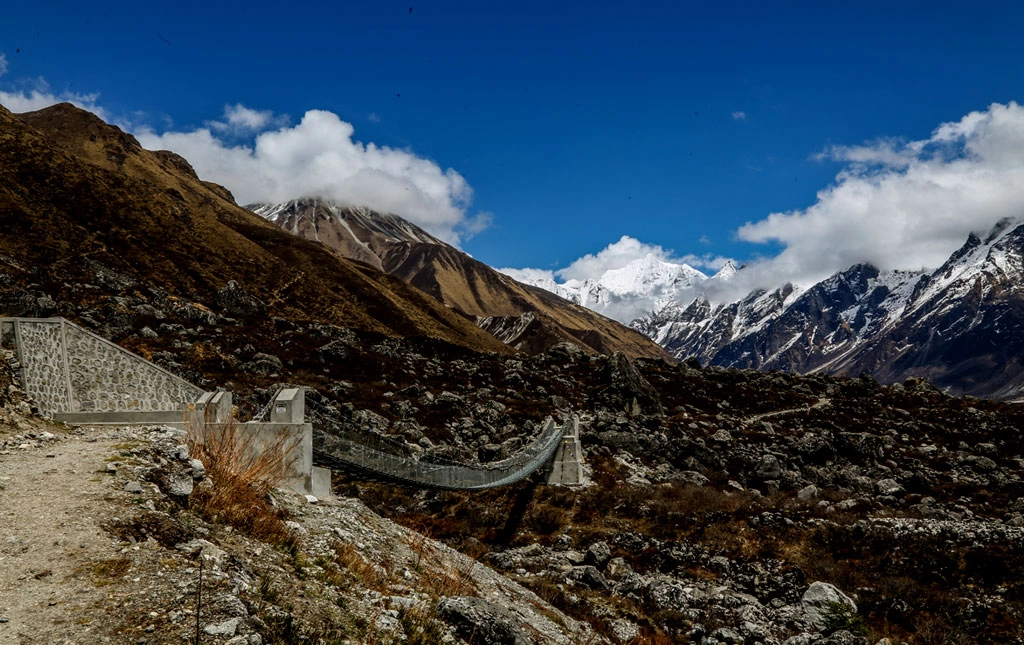
Langtang Trekking Region is the third most aspired trekking destination (the other two being the Everest and Annapurna) in Nepal. The nearest trekking region from Kathmandu valley, Langtang, abounds in trekking routes; some lead to Helambu, and some to Gosaikunda. Langtang-Helambu-Gosaikunda Trek, as the title suggests, is the combination of all of them. Langtang lies in the central region of Nepal, spreading to Kathmandu, Rasuwa, and Sindhupalchok districts.
Apart from visiting holy places, we will explore flora and fauna on the one hand and different cultures on the other.
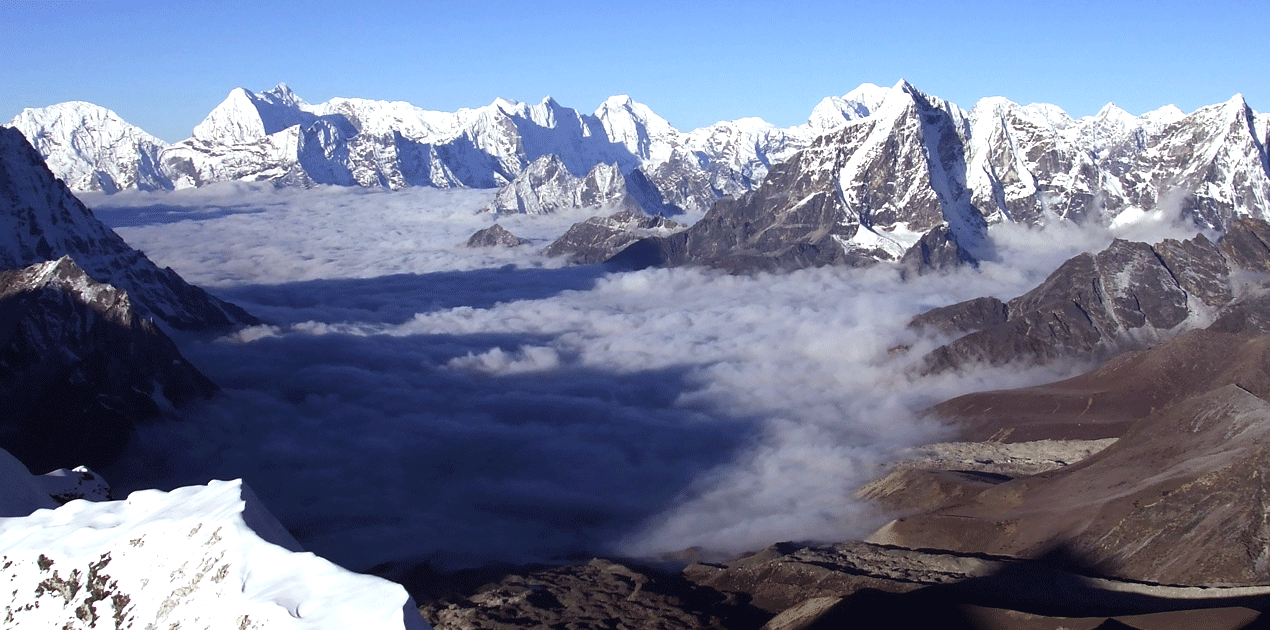
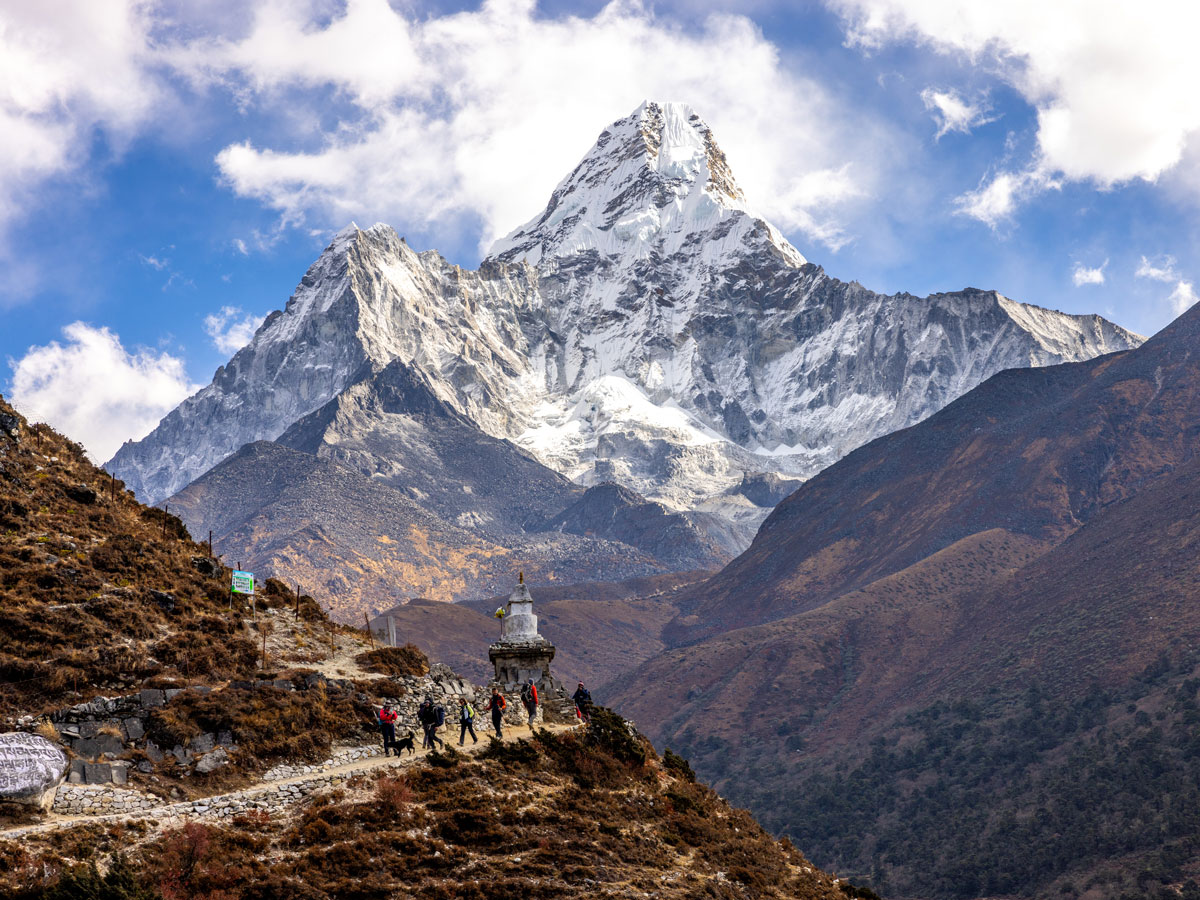
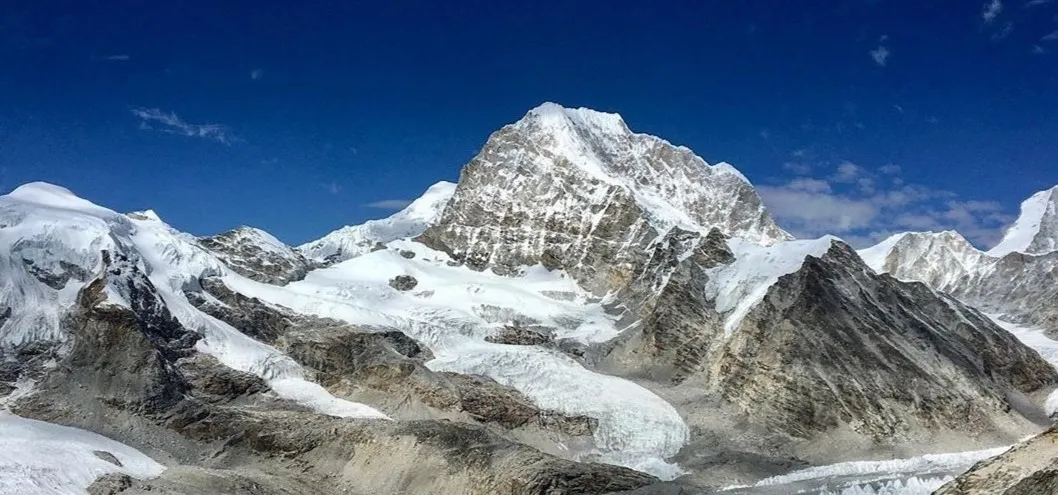
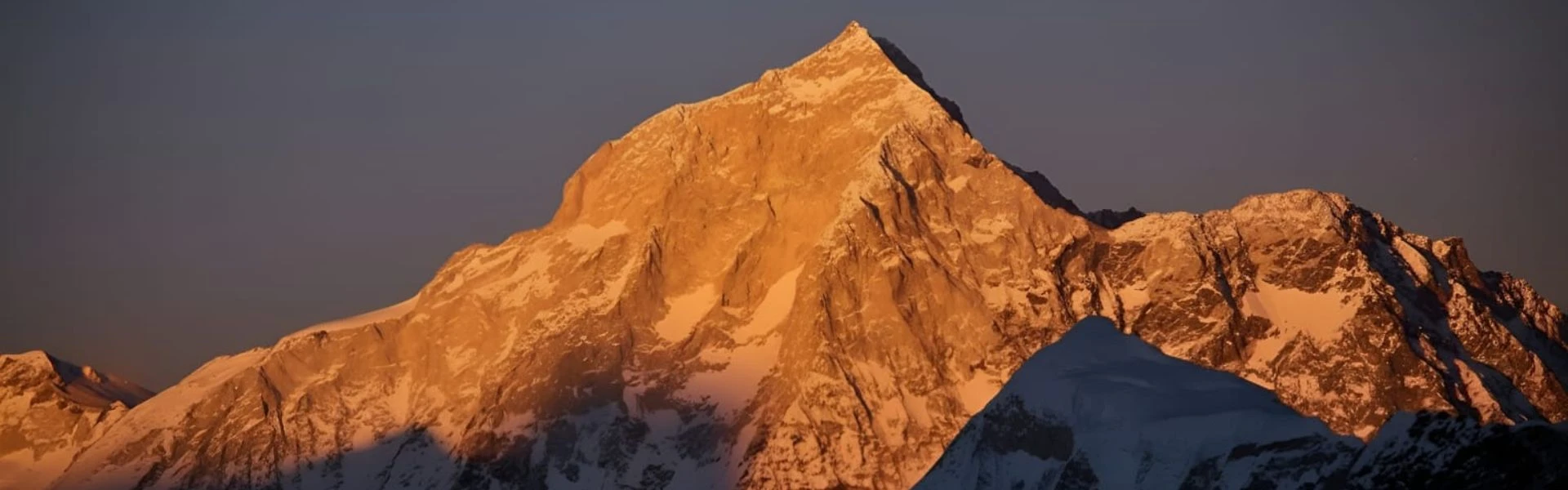
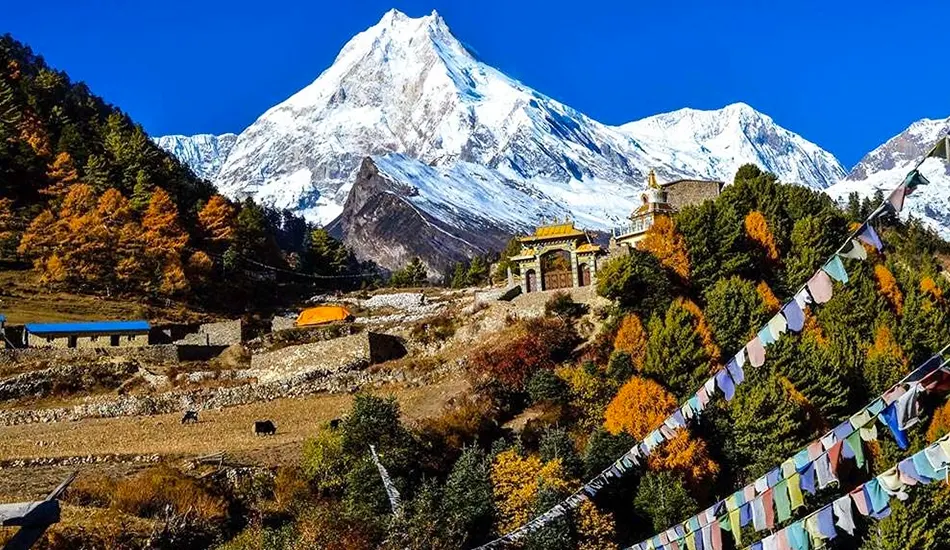
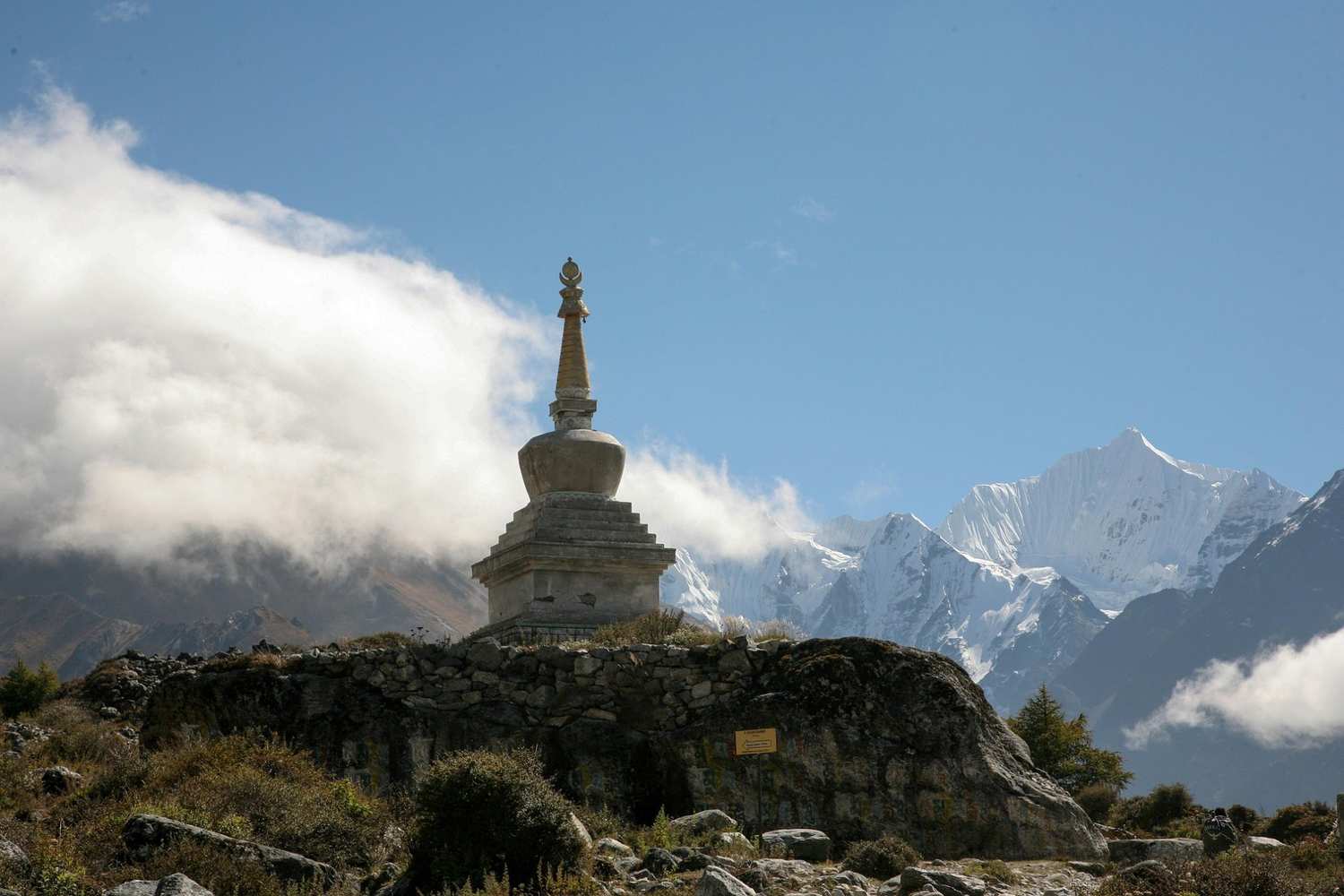
Langtang-Gosaikunda-Helambu Trek starts after an 8-hour drive from Kathmandu to Syabrubesi via Nuwakot. Syabrubesi, the starting point of this trekking, is a beautiful and unique village that lies on the Bhote Koshi Riverbank. While trekking to the Gosaikunda from this village, we will pass through the oak and rhododendron, and bamboo forests. We will walk along the Langtang. Traveling through Langtang (3,430m/11,253ft), we will reach the Langtang valley and the friendly Sherpa village of Kyanjing Gompa (3,870m/12,697ft), where we will experience the spiritual lifestyle of dedicated Buddhist monks performing their rituals in a Monastery. We will also cherish the panoramic view of Langtang Lirung, Langtang range, Kinshung, and Yansa Tsenji.
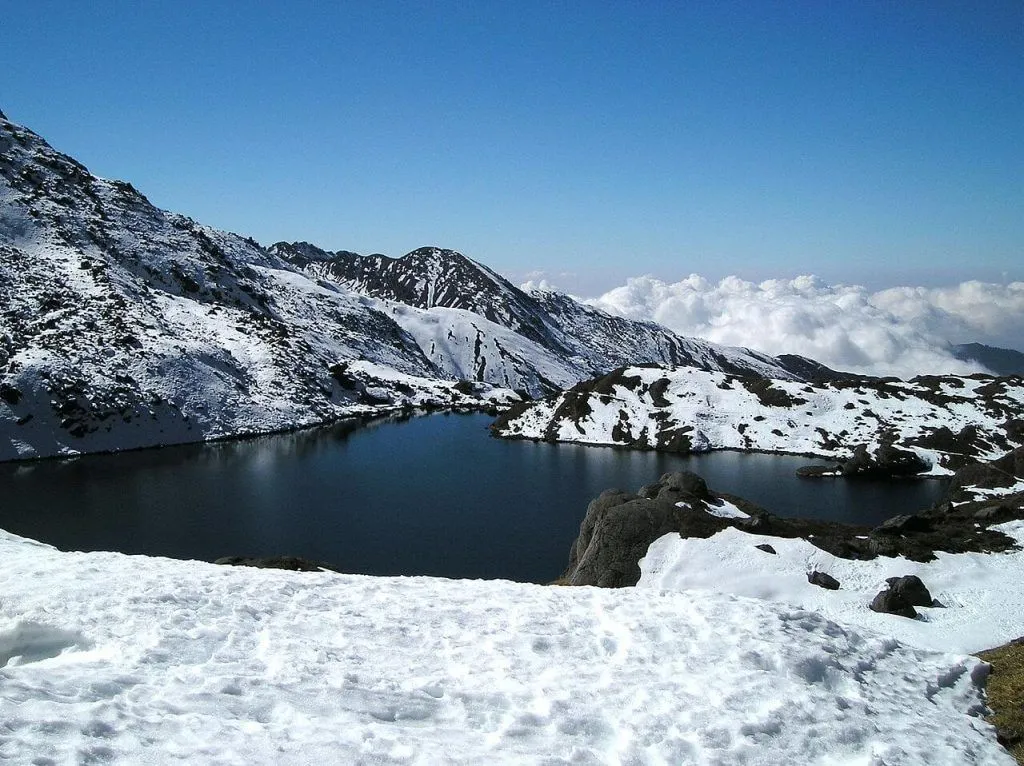
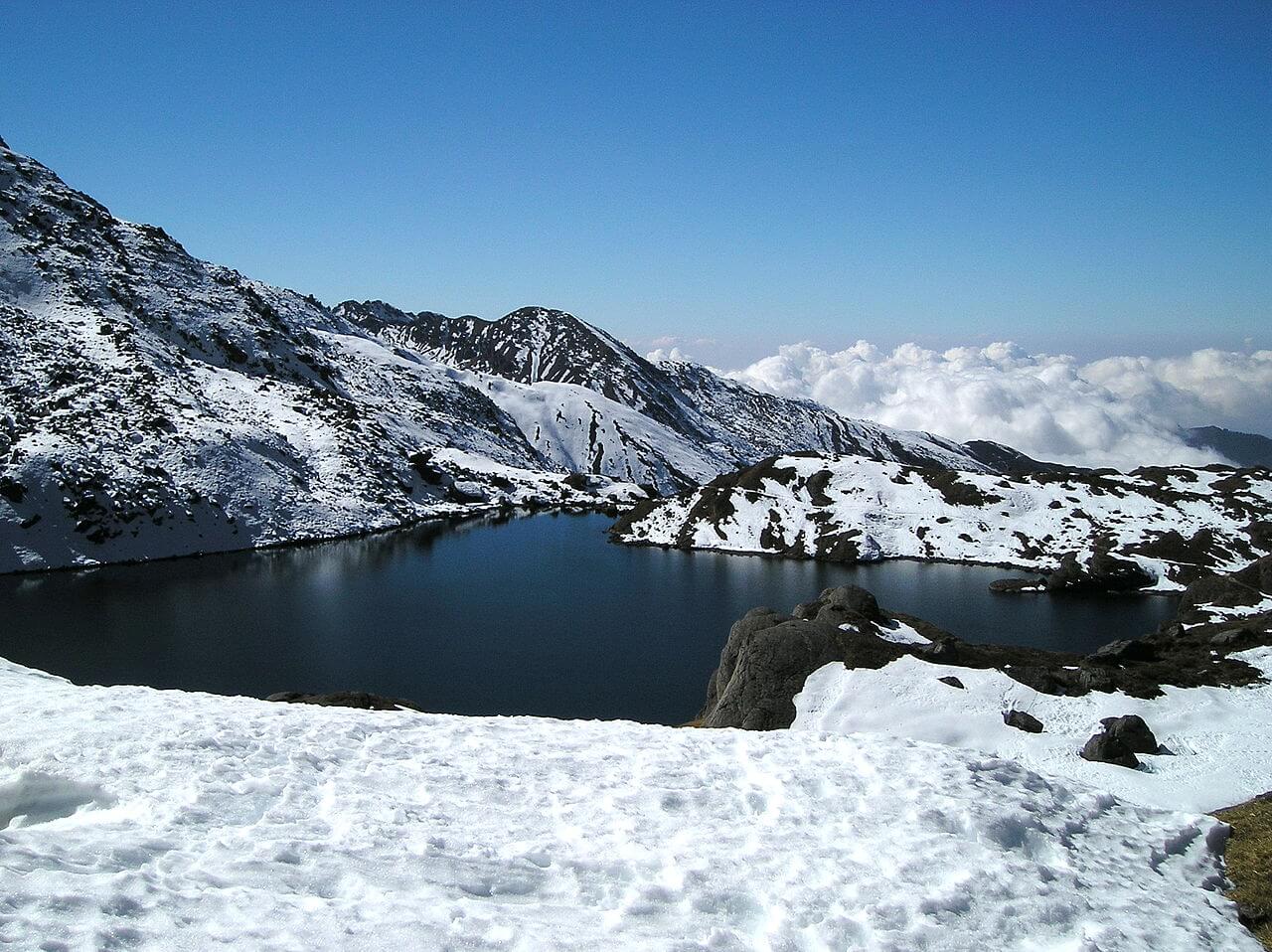
Gosaikunda, a famous freshwater lake considered sacred by the Hindus as they believe that Lord Shiva created the Lake with his trident (Trishul), is located at an altitude of 4380m/14,370ft. After exploring the Lake, we will descend to the Melamchi Gaun.
Satori Adventures offers you the 16-day itinerary to Langtang, Gosaikunda and Helambu combined trekking. However, you can make your own as per your desire, interests, and time constraint. This package includes the itinerary, related trekking maps, weather information, routes, etc. Trekking in this region can operate throughout the year, but the best seasons are spring (March to May) and autumn (August to November).
Included
- To ensure your safety and provide a smooth arrival experience, Asian Adventures offers complimentary airport pick-up and drop-off services for both international and domestic arrivals and departures.
- Representatives of Asian Adventures will be waiting for you at the airport with an Asian Adventures banner and your name placard for easy identification. The representative will also carry an official company ID card for verification.
- According to the trekking package itinerary, Asian Adventures arranges three nights of accommodation in Kathmandu in your selected hotel category, ranging from tourist-standard to five-star hotels.
- Asian Adventures provides experienced, government-authorized (licensed) high-altitude trekking guides throughout the trekking period.
- Surface transportation required during the trek and in major cities, as specified in the itinerary, is included.
- As per the itinerary, Asian Adventures arranges regular domestic flight tickets from Kathmandu to Lukla and Lukla to Kathmandu for trekking members and guides.
- During the trek, Asian Adventures provides comfortable accommodation in carefully selected tea houses (excluding chain hotels).
- Most lunches are taken along the trekking route, while breakfast and dinner are served at the tea house where you stay overnight. Asian Adventures provides clean and freshly prepared breakfast, lunch, and dinner, along with tea or coffee, from the tea house menu throughout the trek.
- To ensure your comfort and protection from cold weather, we provide clean and warm down jackets and sleeping bags during the trek.
- Asian Adventures allows up to 15 kg of personal trekking equipment per person, carried by porters, yaks, or mules during the trekking period.
- Since Everest Base Camp lies within the Sagarmatha National Park area, Asian Adventures provides all required national park permits.
- The Trekkers' Information Management System (TIMS) permit is mandatory for trekking in the Everest region. Asian Adventures arranges this permit for all trekkers.
- First-aid medical kits are provided for both trekkers and staff to ensure health and safety during the journey.
- Communication is an important safety factor in remote Himalayan regions. Therefore, Asian Adventures equips trekking guides with satellite phones for emergency situations.
- During your trek, Asian Adventures ensures clean, nutritious, and freshly prepared meals at tea houses.
- The quoted package price includes all official service charges, government fees, taxes, and VAT. There are no hidden costs beyond the stated price.
- Before departing Kathmandu, we invite you to join us for a farewell dinner at a traditional Nepali restaurant with a cultural performance. This provides a wonderful opportunity to experience Nepali culture and traditions.
- As a souvenir of your Himalayan adventure, Asian Adventures will present you with an Asian Adventures T-shirt, Pashmina, and company brochure before your departure.
Excluded
- Kathmandu offers a wide variety of high-quality restaurants serving Nepali and international cuisine. Therefore, lunch and dinner in Kathmandu (except the farewell dinner provided by Asian Adventures) are not included in the package cost and must be arranged by the client.
- Personal expenses such as snacks, packed foods, chocolates, energy bars, mineral water, soft drinks, energy drinks, alcoholic beverages, and cigarettes during the trek are not included. These items can be purchased individually according to personal preference.
- Expenses related to personal trekking equipment, laundry services, gratuities (tips), telephone calls, mobile services, internet usage, walkie-talkies, satellite phone usage, and other personal communication services are not included in the package.
- Trekking in the Himalayas is an adventurous activity conducted in remote mountain regions. For your safety, all participants must obtain comprehensive travel insurance before arriving in Nepal. The insurance policy should cover emergency helicopter evacuation, medical treatment, hospitalization, and other related expenses.
- International airfare to and from Nepal and the Nepal tourist visa fee are not included in the package cost and must be arranged by the traveler.
- Any additional expenses arising from unforeseen circumstances beyond our control, including natural disasters, adverse weather conditions, landslides, political disturbances, strikes, flight delays or cancellations, and changes in government regulations, are not included in the package cost.
- Costs associated with additional staff or services requested beyond those specified in the package are not included and will be charged separately.
- Any services not specifically listed under the "Package Includes" section will be considered additional services and will incur extra charges.
- Tipping is not included in the package price. Tipping guides, porters, and support staff is a customary practice in Nepal's trekking industry and is greatly appreciated as recognition of their hard work and service. The amount is entirely at the discretion of the client.
Travel Itinerary
Day 1 - Arrival in Kathmandu Airport and transfer to request category hotel accommodation in Kathmandu (1350M/4430ft).
Arrival in Kathmandu Airport and transfer to request category hotel accommodation in Kathmandu (1350M/4430ft).
Day 2 - Drive from Kathmandu to Syabrubesi
Drive from Kathmandu to Syabrubesi(1500m/4920ft, 07-08hrs) Lodge accommodation.
Day 3 - Trek from Syabrubesi to Lama Hotel
Trek from Syabrubesi to Lama Hotel (2470m/8102ft, 4-5hrs) lodge accommodation.
Day 4 - Trek from Lama Hotel to Langtang
Trek from Lama Hotel to Langtang(3430m/11251ft, 04-05hrs) lodge accommodation.
Day 5 - Trek from Langtang to Kyanjin Gumba
Trek from Langtang to Kyanjin Gumba (3830/12563ft, 05hrs) lodge accommodation.
Day 6 - Acclimatization Day
Acclimatization day at Kyanjin Gumba at hike to KyanjinRi (4773m/15657ft) lodge accommodation.
Day 7 - Trek from Kyanjin Gumba to Lama Hotel
Trek from Kyanjin Gumba to Lama Hotel (2470m/8102ft, 06hrs) lodge accommodation.
Day 8 - Trek from Lama Hotel to Thulo Sypbru
Trek from Lama Hotel to Thulo Sypbru (2250m/7381ft, 03hrs) lodge accommodation.
Day 9 - Trek form Thulo Syabru to Shin Gumba
Trek form Thulo Syabru to Shin Gumba(3220m/10563ft, 05hrs) lodge accommodation.
Day 10 - Trek from Sing Gompa to Gosainkunda
Trek from Sing Gompa to Gosainkunda(4361m/14305ft, 05hrs) lodge accommodation.
Day 11 - Trek from Gosainkunda to Ghopte
Trek from Gosainkunda to Ghopte(3430m/11251ft, 05hrs) lodge accommodation.
Day 12 - Trek from Ghopte to Mangengoth
Trek from Ghopte to Mangengoth(3420m/11219ft, 06hrs) lodge accommodation.
Day 13 - Trek from Mangegoth to Golphu Bhanjyang
Trek from Mangegoth to Golphu Bhanjyang(2130m/6987ft, 05hrs) lodge accommodation.
Day 14 - Trek from Golphu Bhanjyang to Chisapani
Trek from Golphu Bhanjyang to Chisapani(2165m/7102ft, 05hrs) lodge accommodation.
Day 15 - Trek from Chisapani to Kathmandu
Trek from Chisapani to Sundarijal (1460m/4790ft) drives back to Kathmandu by car and Overnight at request category Hotel accommodation. Farewell dinner with culture program In the Evening.
Day 16 - Final Departure
Drop to airport for final departure, or alternatively join other programs.
Maps
Frequently Asked Questions
The term “how difficult” can be difficult to define indeed, as the ‘difficulty of a trek’ varies from person to person. Factors such as a trekker’s fitness level, previous trekking and hiking experience, individual capacity to adapt to new conditions, age, mental strength, and overall health influence how difficult a trek may feel. Although the trek does not require any technical climbing skills, having prior trekking experience can greatly help your body adjust to the altitude. Building good physical fitness and mental resilience beforehand is important.
Yes, altitude sickness can occur as you gain elevation. The trekking region is rugged, with steep sections of the Himalayan formations that make trekkers more susceptible to altitude-related issues. Proper acclimatization, a well-planned itinerary, slow pacing, hydration is essential.
Certain medical conditions (such as respiratory disease) or medications (such as sleeping pills) can increase the risk of altitude sickness. It is important that you inform us in advance or your guide of any medical conditions or medications before ascending to altitude. You can help your body acclimatize and reduce the risk of altitude sickness.
You are required to bring your personal and prescription medications, if any. We will provide an adequate emergency first-aid kit which your guide will carry. And, s/he has essential first-aid training to help ensure your well-being throughout the trek.
Weather in the mountains is notoriously difficult to predict. Generally, nights are chillingly cold, whereas, the days are warmer. Winter (January and February) will be a bit colder but the days can be quite beautiful and warm if the sun is out. There will be a bit of snow during the month of January, February and December. The temperature inside the teahouses/lodges are fairly maintained. You can always sit beside a fire to keep yourself warmer. The temperature could be as high as 20 degree c to 15 degree c low during the day time.
From $1,260.00
Book This Tour

From $1,260.00
Book This Tour
You might also like